
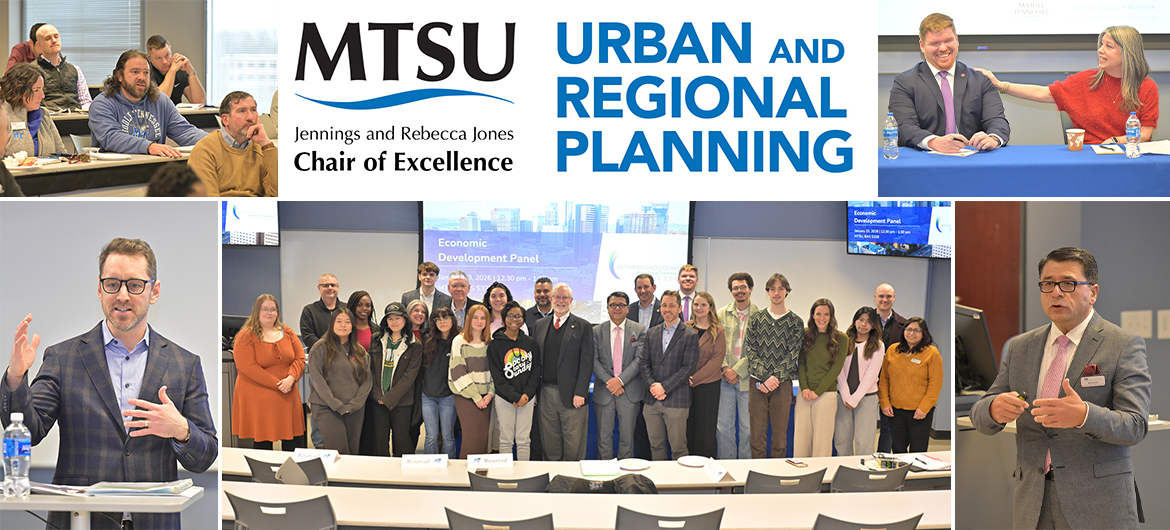
MURFREESBORO, Tenn. — Midstate economic development requires a consistent mix of strategic partnerships, public-private collaborations, shared expertise and long-term planning to promote a vibrant regional economy that continues to make this area one of the most attractive destinations in the nation and world for business and industry.
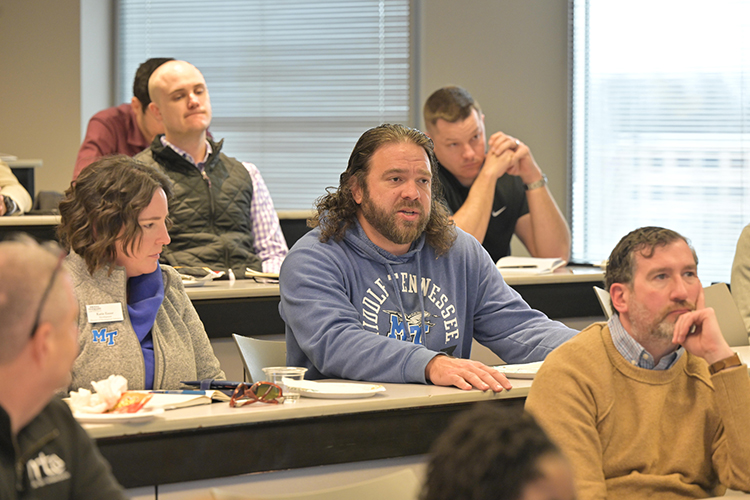
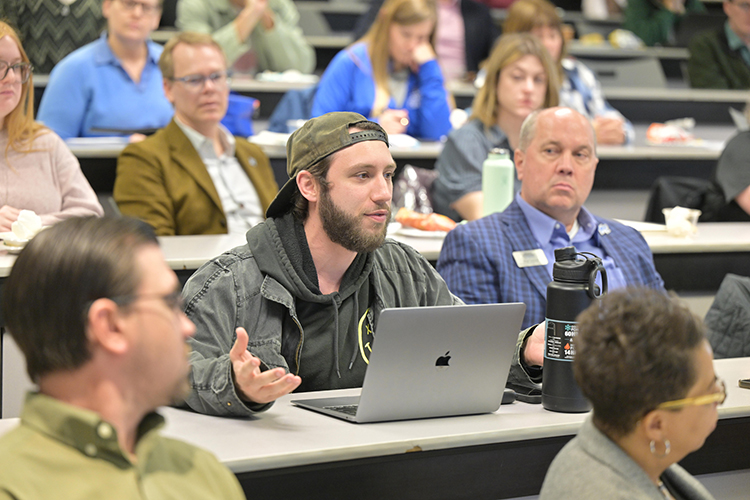
Those were among the key takeaways from the latest guest speaker series hosted by the Jennings and Rebecca Jones Chair of Excellence in Regional and Urban Planning, or COE-URP, at Middle Tennessee State University, featuring expert panelists who visited campus for a late January discussion on the ins and outs of economic development, attended by a near-capacity crowd inside the Business and Aerospace Building.
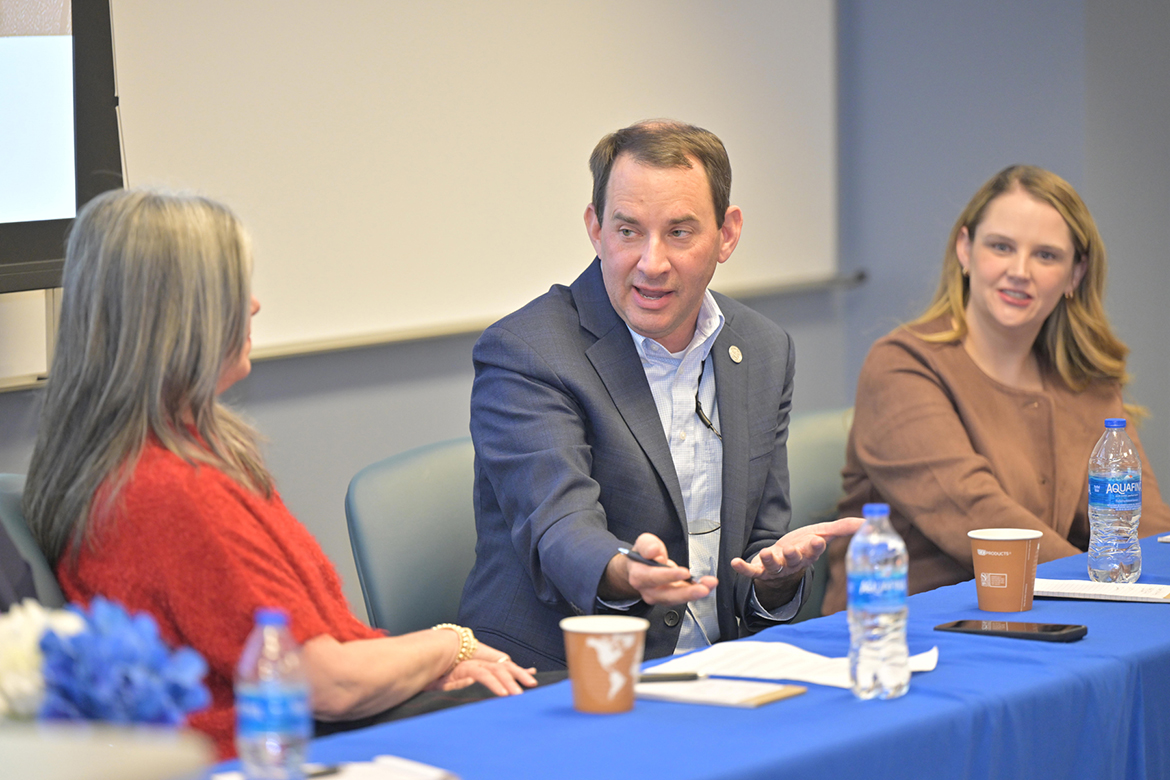
Featured panelists included Kendrick Curtis, executive director of the Middle Tennessee Industrial Development Association; Ryan Egly, president and CEO of the Lawrence County Chamber of Commerce; Kalee Harryman, business development consultant with the Tennessee Department of Economic and Community Development; and Lori Odom, senior vice president of economic development with the Nashville Area Chamber of Commerce.
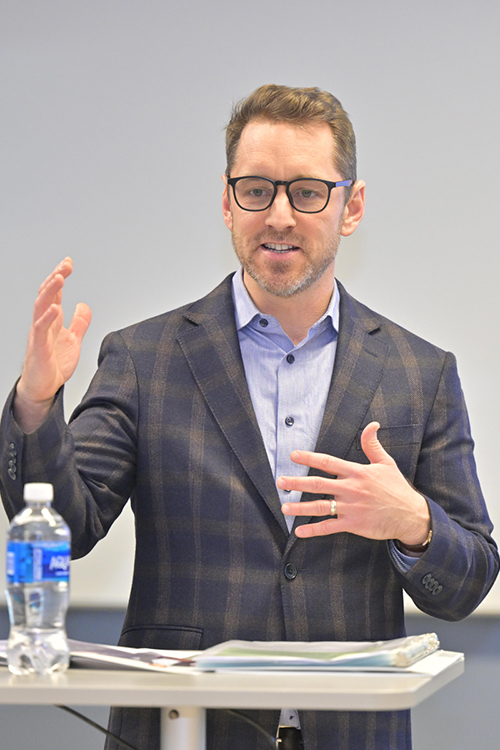
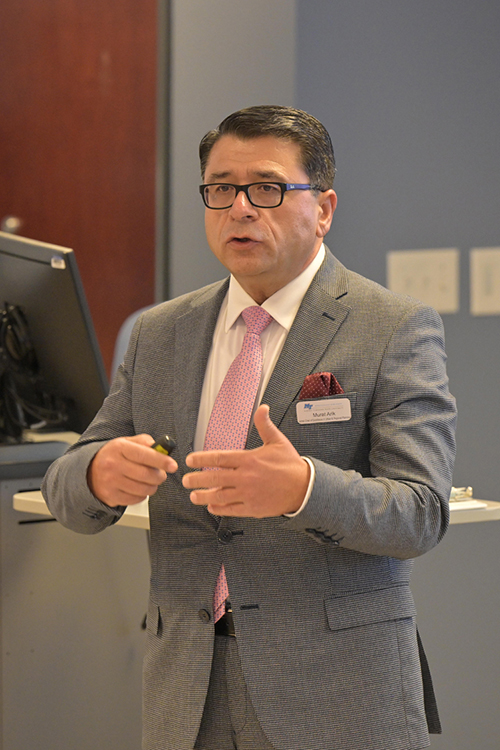
“There’s a lot of forward, progressive thinking that’s being developed, and today you’re going to hear how it’s being dealt with by some of the people who are on the front line,” Murat Arik, holder of the COE-URP, told the crowd.
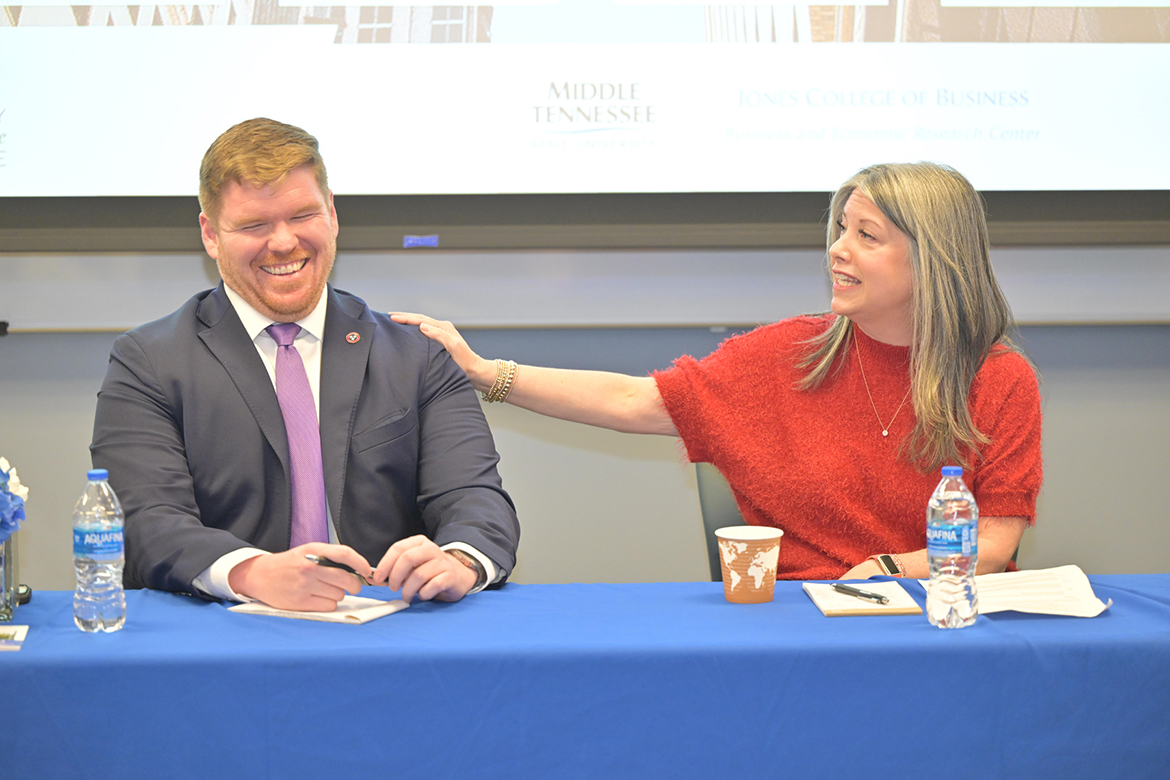
Hosted and sponsored by the chair of excellence in partnership with the Rutherford County Chamber of Commerce, the Jan. 23 panel was moderated by Patrick Cammack, the chamber’s senior vice president of economic development.
“Economic development is always a team effort,” said Cammack in opening up the discussion. “Even when a company chooses a specific county, countless local and statewide partners have played a role in making that project possible. … People see headlines about new companies coming to town, but they rarely see the work behind the scenes — or the fact that existing business expansions can be just as important.”
A regional approach
Like Cammack, the Lawrence County Chamber’s Egly is well aware of the importance of leveraging relationships across the region and statewide when hundreds of jobs and the economic boost they bring are at stake.
“In rural communities, relationships with statewide project managers are everything. Sometimes a project changes on the fly, and you need someone who trusts you enough to pick up the phone,” Egly said, adding that economic development and recruitment have many layers that must be navigated.
“The best customer service you can provide in economic development is knowing your product — your land, your infrastructure, your community — inside and out,” he said. “A business won’t choose your community if you don’t have a place for them to go. Real estate is the foundation of everything we do.”
Odom, whose Nashville chamber covers a 10-county area in the Midstate, said her organization has a foundational practice of maintaining a regional perspective, understanding that recruiting new companies or helping promote expansions of existing businesses and industries has an economic ripple effect that extends beyond borders.
“We take a regional approach. Companies don’t see county lines, and our job is to make the entire region easy to navigate and attractive for growth,” she said. “… I travel the world recruiting companies to the Nashville region. People know our music and entertainment, but I want them to understand there’s far more opportunity here than that.”
And that requires deep collaboration, even when competing interests exist.
“What makes this region strong is that we make it easy. There’s one front door, and whoever a prospect talks to first will bring in the partners they need. It’s competitive, but it’s also collaborative,” Odom continued.
Added Cammack: “In the beginning, the process isn’t about winning; it’s about not being eliminated. Communities work hard just to stay in the game long enough to earn meaningful face time with a prospect.”
That’s where Curtis and the Middle Tennessee Industrial Development Association play a key role, serving 40 Middle Tennessee counties by providing plant location services in cooperation with the Tennessee Department of Economic and Community Development and the Tennessee Valley Authority.
“We serve 40 counties, acting as a connector and facilitator. We bring resources — knowledge, technology, relationships — that local partners can’t always access on their own,” he said. “To be successful, you have to think like the client. Their needs — whether it’s power, land, or timing — are the most important variables in any deal.”
Kendrick recalled hosting an industrial site visit when it became clear that the preferred county didn’t have a location that met the prospective company’s needs, so Curtis called Egly in nearby Lawrence County, who coordinated an alternative site visit the same day.
“A site visit is like the dating stage. Both sides are deciding whether they want to commit,” Curtis said. “Sometimes the community and the company realize they’re not the right match, and that’s OK.”
For Harryman and the Tennessee Department of Economic and Community Development, other variables in recent years require even better preparation for prospects.
“Since the pandemic, it’s become harder to get prospects on the ground. They can learn so much online now, but not all of it is accurate — so when we do get a visit, communities have to be at their absolute best,” she said.
“Success comes down to preparation, product, and people. You need a ready site, you need to understand it well, and you need the workforce to support the project.”
Building MTSU scholars
In welcoming attendees, Arik noted how such panels are connected to the chair’s COE-URP Scholars Program. He recognized the latest cohort of 10 students participating in the experiential learning program, as well as members of the new Faculty Advisory Committee, who advise students on the research projects they develop as part of the program.
COE-URP Scholar Marco Guanchez, a senior studying global studies and human geography with a minor in geospatial analysis, said the scholars program and the topics it explores strongly align with his academic interests.
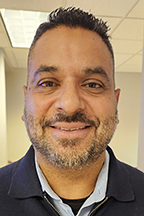
“This research experience aligns perfectly with my interest in transportation and economic development,” said Guanchez, a U.S. Navy veteran. “Today’s panel reinforced that connection and helped me define the area I want to pursue in graduate school.
“My project examines the lack of a regional rail system. Cities like Atlanta and Charlotte (North Carolina) have options that aren’t perfect, but they have something. I’m studying how having a rail network here could improve mobility and support economic development in the region.”
Fellow scholar Ciin Kap, a sophomore political science major (pre-law) with a minor in business administration, said she wants to attend law school, but also has an interest in health care and medicine. The Scholars Program allowed her to develop a research project that focuses on nursing and the health care field.
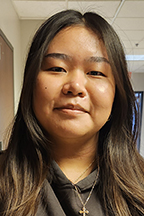
“I’ve always wanted to become a lawyer, but I also wanted to expand my horizons in college,” said Kap. “I’d never had research opportunities before, so when I found this program, I was ecstatic. It’s opened doors to events, forums, and connections with people in high-level government roles.”
Working with the faculty mentors has further expanded her academic horizons.
“The professors teach us how to do research from the ground up, which has been incredibly beneficial since I came into this with no experience. It’s helped cement my interest in doing further research, maybe even pursuing a master’s degree.”
In addition to Guanchez and Kap, the latest cohort includes Cristine Bartolini, Trinity Johnson, Trenton McAlmond, Chloe Waters, Mahmoud Hassan, Elijah Williams, and Morgan Paris.
A global student perspective
Though not in the COE-URP Scholars program, Nyasaina Kwamboka, a master’s student in international affairs with an energy focus, said she attended the panel to learn more about the economic development process.

“I wanted to be in a room with people discussing economic development in Tennessee,” said Kwamboka, a native of Nairobi, Kenya. “That isn’t something I’ve been very familiar with, so learning about the Chamber of Commerce was fascinating.”
The Nashville Chamber’s Odom was among multiple panelists who addressed the importance of international recruitment, pointing specifically to the arrival of Japanese automaker Nissan and its game-changing manufacturing plant in Smyrna.
“Middle Tennessee has a rich history of foreign direct investment. Nissan’s arrival decades ago transformed the region and proved we could compete globally — not just on cost, but on talent and partnership,” Odom noted.
Kwamboka, who has visited the Nissan plant during her time at MTSU to see its manufacturing process up close, said the panel helped her better understand how the economic development dots connect globally.
“What stood out to me most was the role of international investment in Tennessee — especially Japan’s relationship with the state and Nissan’s presence in Smyrna. I visited the Nissan facility and saw firsthand the incredible work they’re doing and the opportunities they provide. Hearing how that investment began in the 1970s and continues to grow was eye‑opening,” she said.
“I’m really interested in the energy field — renewable energy, oil and gas, and the overall transition toward a more electricity‑driven world. There are opportunities locally, nationally, and internationally, and I want to develop international energy‑economic models that benefit the African continent as a whole.”
The next COE-URP guest speaker will be Cliff Lippard, executive director of the Tennessee Advisory Commission on Intergovernmental Relations, who will discuss “Infrastructure and Economic Competitiveness.” His public talk will be from 12:30-1:30 p.m. Friday, Feb. 20, in Room S328 in the Business and Aerospace Building, 1642 MTSU Blvd.
— Jimmy Hart (jimmy.hart@mtsu.edu)




COMMENTS ARE OFF THIS POST