
By Mike Davis
MURFREESBORO, Tenn. — Inside the dance studios of Middle Tennessee State University’s Murphy Center, work begins long before the stage lights ever rise.
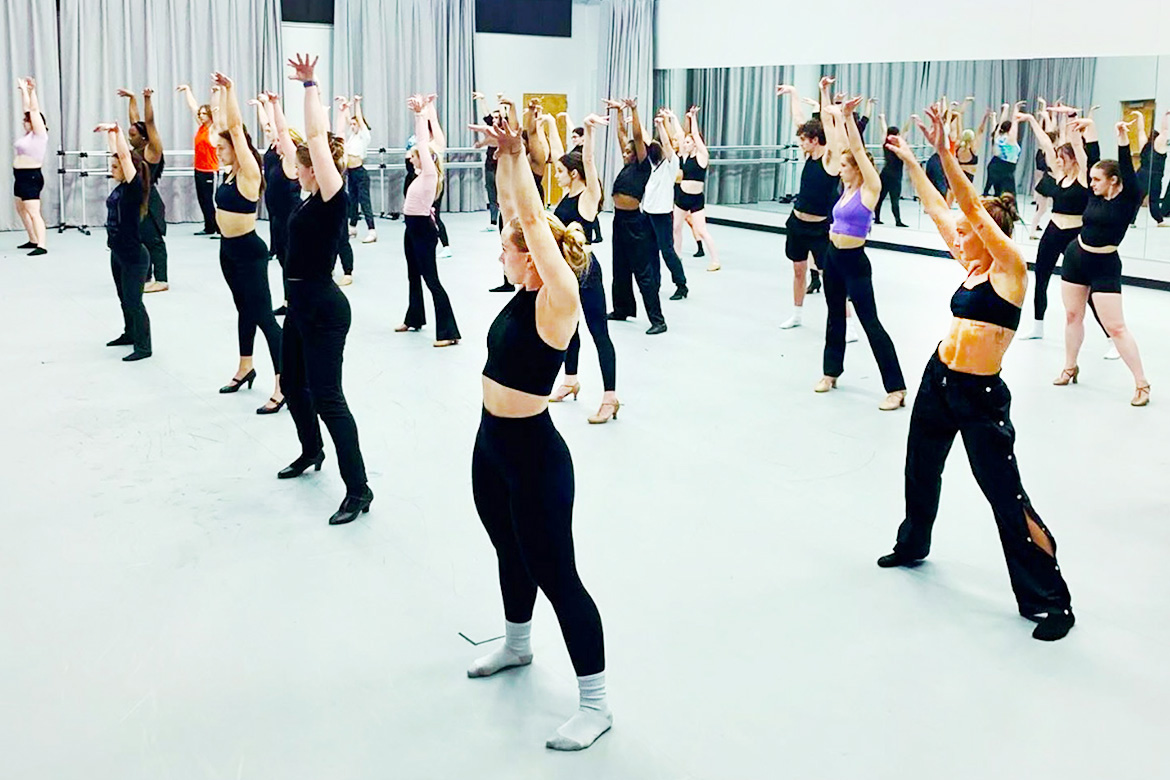
Students move across the floor, repeating movement sequences as they refine, adjust and try once more. What looks effortless in performance is the product of discipline, repetition, problem-solving, and a level of physical and mental focus that parallels any athletic program on campus.
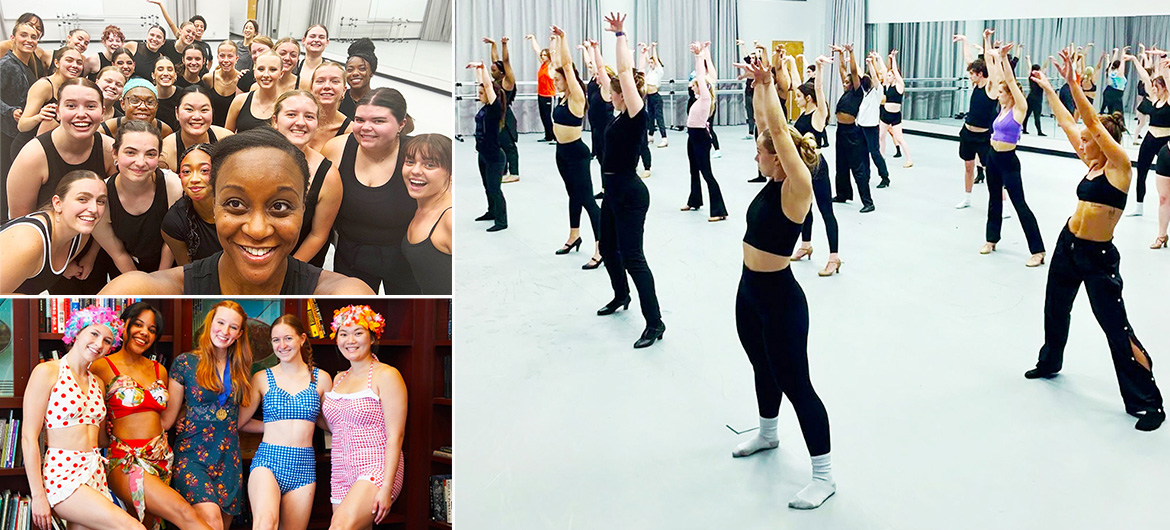
This is MTSU’s Dance Program, the only public university dance major in Tennessee and one of the newest nationally accredited dance programs in the country.
Opening doors in public university setting


For Jade Treadwell, associate professor of dance and program director, the story always begins with access.
“It is unique for students in this state to walk into a public university and earn a bachelor’s degree in dance,” Treadwell said. “Other programs only offer concentrations or minors. Our students study technique, choreography, dance science, pedagogy, technology and performance in a comprehensive curriculum that prepares them for a wide range of careers.”
That access supports the broader mission of MTSU’s College of Liberal Arts. Dean Leah Tolbert Lyons sees the program as a natural extension of what public higher education should be.
“We meet students where they are and help them develop their skills,” Lyons said. “This is the hallmark of public higher education. A dance degree offers the same core curriculum as any other major, and it develops durable skills such as critical thinking, teamwork, and leadership. These skills serve students wherever they go.”
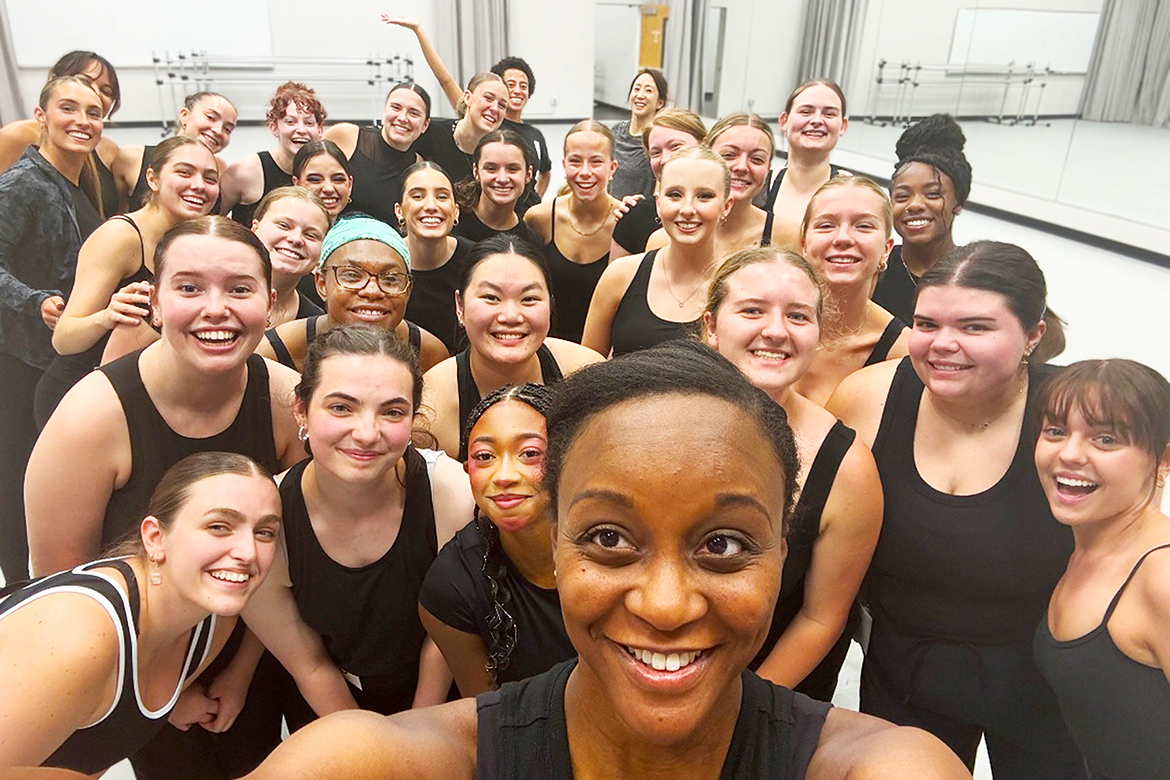
Students arrive with diverse backgrounds. Some have trained for years. Others step into a studio for the first time in college. Many begin as minors before choosing the major. All find a place where their abilities and ambitions can grow.
For Julia Peasall, who graduated in fall 2025 with a bachelor of science in dance with a focus in performance and choreography, the variety of pathways included realizing she couldn’t leave dance behind.
“I entered college as a child development major,” Peasall said. “Two weeks in, I knew I needed to transfer to MTSU and join the dance program. Having the chance to grow in my technique, foster my creativity, and learn how to teach the art of dance has been incredibly rewarding.”
National accreditation, academic rigor
In 2023, the program earned accreditation from the National Association of Schools of Dance. MTSU is now the only institution in Tennessee accredited under all four national arts associations: dance, music, art and design, and theater.
“National accreditation means our curriculum, instruction, and facilities meet a standard of excellence accepted across the country,” Lyons said. “It assures the quality students deserve.”
Rigor is built into every part of the program. Technique classes require focus, stamina and consistency. Rehearsals mirror professional company life. Choreography courses push students to research, create, revise, and present original work. Here, feedback is constant and growth is visible.

“Dance builds resiliency, dependability, and adaptability,” Treadwell said. “You learn how to take direction, problem-solve, and show up ready to do the work. I see those qualities carry over into administrative roles, teaching and so many other career paths.”
Peasall said the program’s comprehensive structure had a direct impact on her preparation for life after MTSU.
“All of the professors that I was able to work with throughout my time have poured out their knowledge and experience into me,” Peasall said. “I had performances that gave me real-world experience, lectures that taught me so much, and the opportunity to research and create topics that were important to me.”
Peasall says her plans for after graduation are to return to a regional theater company that she performed for last summer.
Dance as both art, athletic discipline
Housed inside the Murphy Center, the training home of MTSU Athletics, the dance program sits in a space that reflects the physical rigor of the discipline. For students, walking the same halls as the university’s athletes reinforces the reality of what dance demands each day: conditioning, stamina, repetition and drive.
“Our approach to physical training merges athletic and artistic work,” Treadwell said. “Athletes wake up every morning knowing they will push their limits and aim to be better today than yesterday. Our students do the same. I don’t see a separation in that mindset.”
Life of an MTSU dance major
A dance major’s week is full.
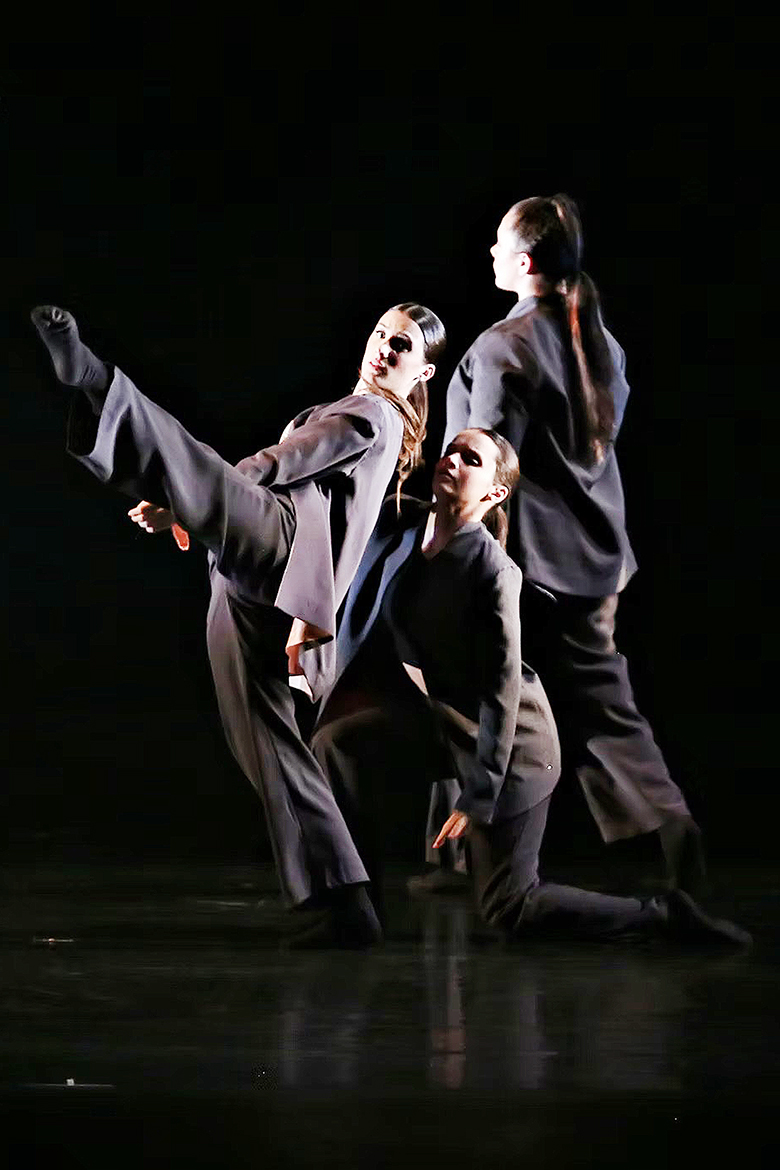
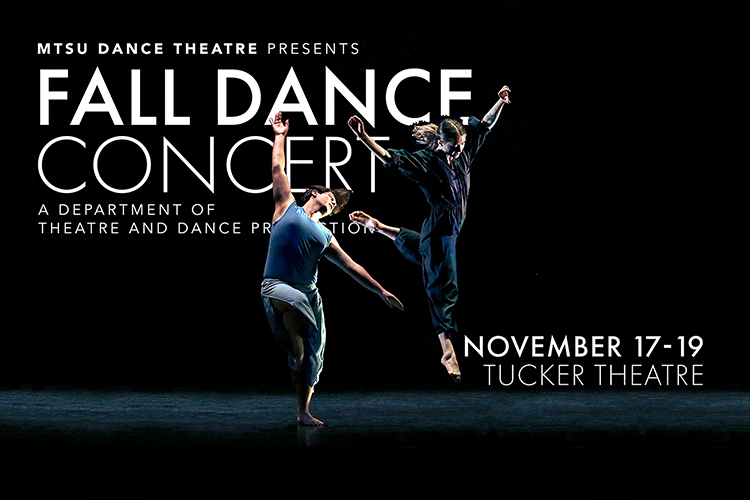
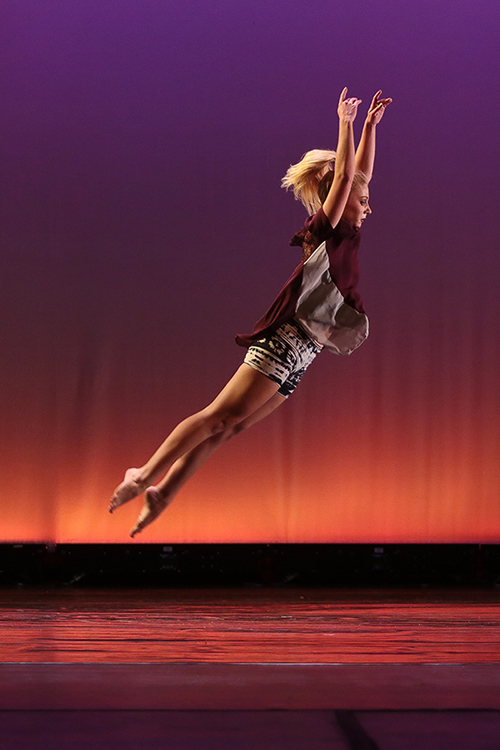
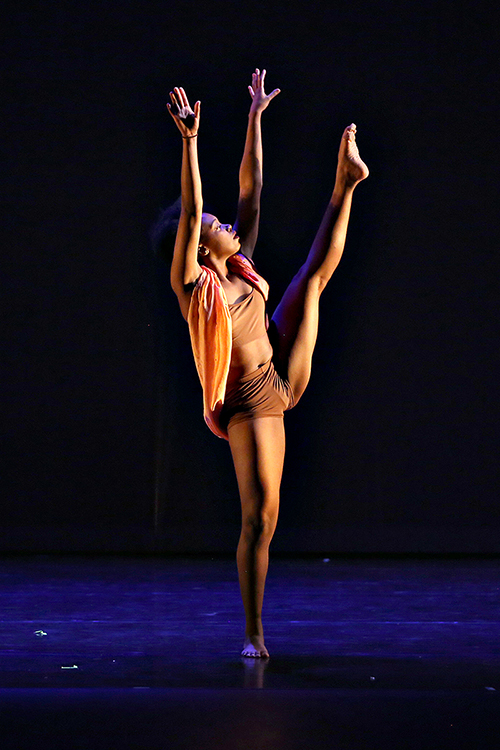
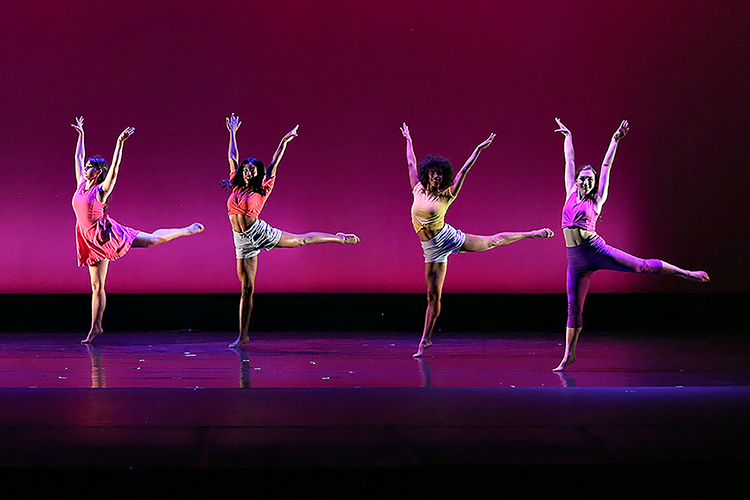
Students take technique classes several days a week in ballet, modern, jazz, tap, African dance, and more. Afternoons and evenings are dedicated to rehearsals for faculty, guest artist, or student choreography. Each semester, they contribute to a fully produced mainstage concert in Tucker Theatre, preparing choreography, adapting movement for the stage, working with designers and adjusting to lighting and costumes.

Choreography students reserve studio time to create new works. Dance Gala, a major spring production, is produced entirely by students who coordinate schedules, present works for adjudication, and prepare a polished concert for the public.
Students also participate in regional festivals, masterclasses, guest artist residencies, and the American College Dance Association, or ACDA, conference. Many teach in local studios, assist with workshops, or join the Dance Society, which organizes service projects and outreach activities.
One of Peasall’s most meaningful memories came from the 2025 ACDA Conference.
“We were blessed to be able to perform Professor Jee Ahn’s piece ‘It Echoes Between’ in the final concert at ACDA,” she said. “It was the first time the MTSU dance program had been chosen for the final concert, which is an immense honor and I was so grateful to experience it with such wonderful friends and faculty alongside me.”
Experiences like this highlight the environment that supports student growth.
“It is a dynamic program,” Treadwell said. “Our students are constantly engaging their minds and bodies. They leave here ready for the demands of the field.”
Strengthening local culture, and beyond
MTSU Dance contributes directly to the arts landscape of Rutherford County and beyond.

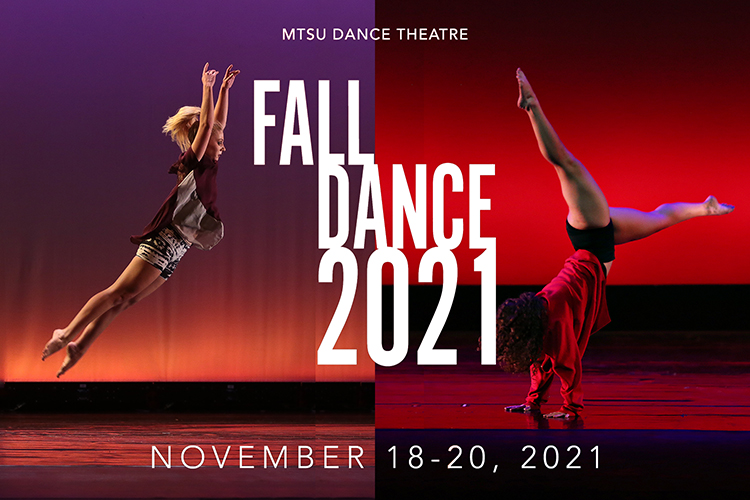
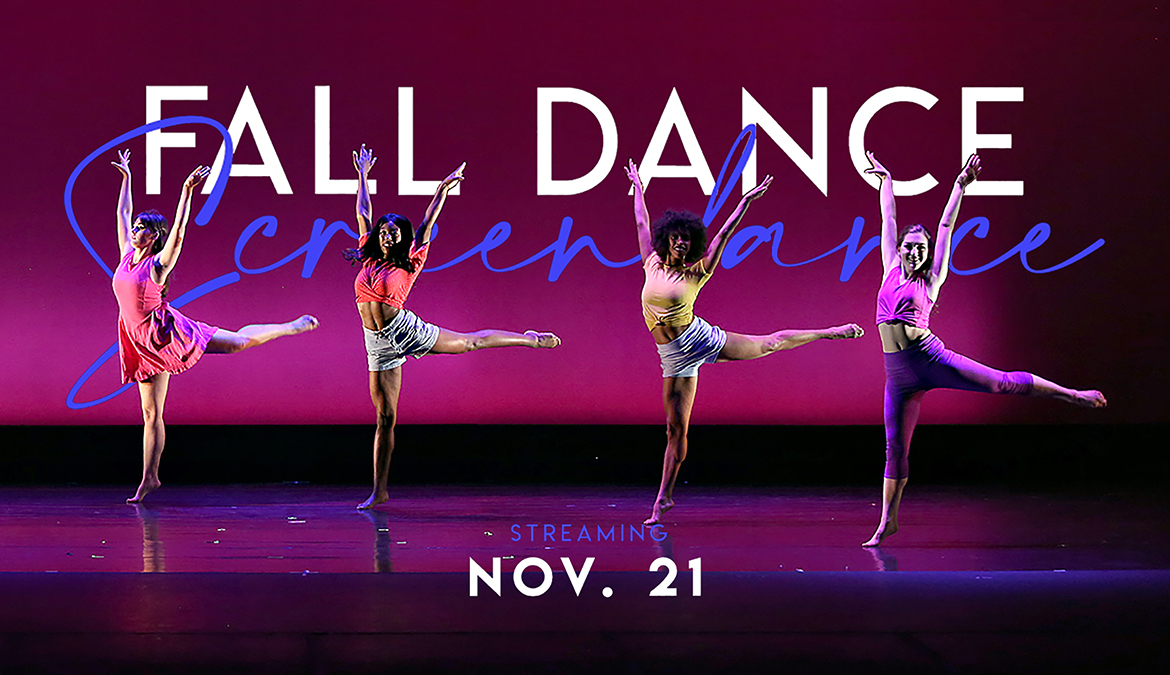
The program presents at least two major concerts each year. Events like the “Joys of the Season” holiday television special, faculty and student choreography concerts, and the MTSU Arts Celebration Concert draw community members, alumni, families, and audiences from across the region.
“The community thrives culturally and economically when access to the arts is available,” Lyons said. “Our students’ work is part of that value.”
Impact of the program also can be seen in its graduates, many of whom build careers in performance, teaching, choreography, arts administration, physical therapy, and commercial dance.
One example is Jasmine Dillon, a 2023 graduate from McMinnville who has already developed a wide-ranging and nationally connected career, including performing at the 59th annual Country Music Association Awards and becoming the first Black female dancer at Country Tonight Theatre in Pigeon Forge.
She also opened her own studio, Journey Movement & Dance in McMinnville, where she was voted “Best of the Best” dance/gymnastics teacher in Warren County.
Today she teaches and choreographs at St. Cecilia Academy in Nashville, shaping the next generation of dancers in Middle Tennessee.
Reflecting on her training, Dillon said, “Pursuing a dance pedagogy degree at MTSU gave me the tools to become not only a performer, but also an effective educator. Through pedagogy and technique courses, I was able to apply teaching strategies to my own training before implementing them with my students.”
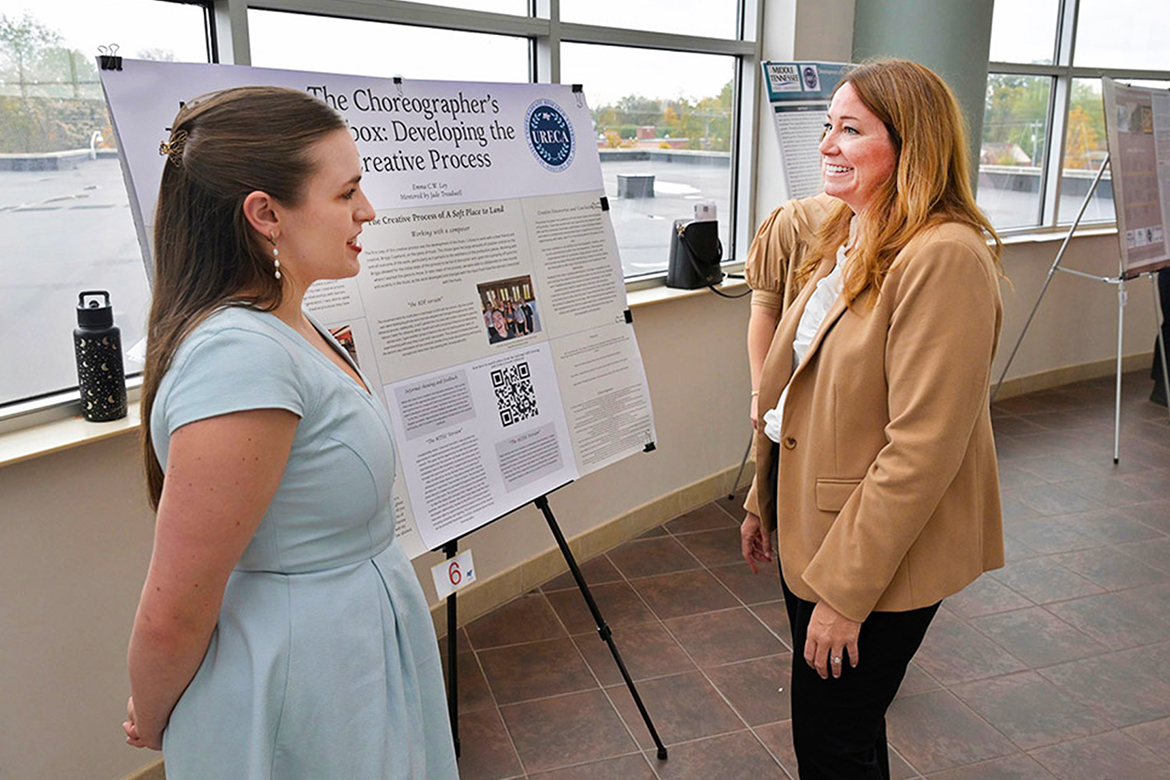
Looking ahead: Program built for the future
As the program approaches its 10-year milestone, Treadwell is focused on sustaining momentum.
“I want this program to exist for 75 to 100 years or more,” she said. “There is a strong regional desire for dance. We receive requests for performers, choreographers, and teachers all the time.”
Growth includes advancing facilities, expanding youth programming, increasing scholarship support, and continuing to build opportunities for student engagement with professional artists.
“We are preparing students for the future of dance,” Treadwell said. “They are dedicated, committed, and capable. It is a privilege to be part of their journey.”
— Michael Davis (Michael.Davis2@mtsu.edu)





COMMENTS ARE OFF THIS POST