
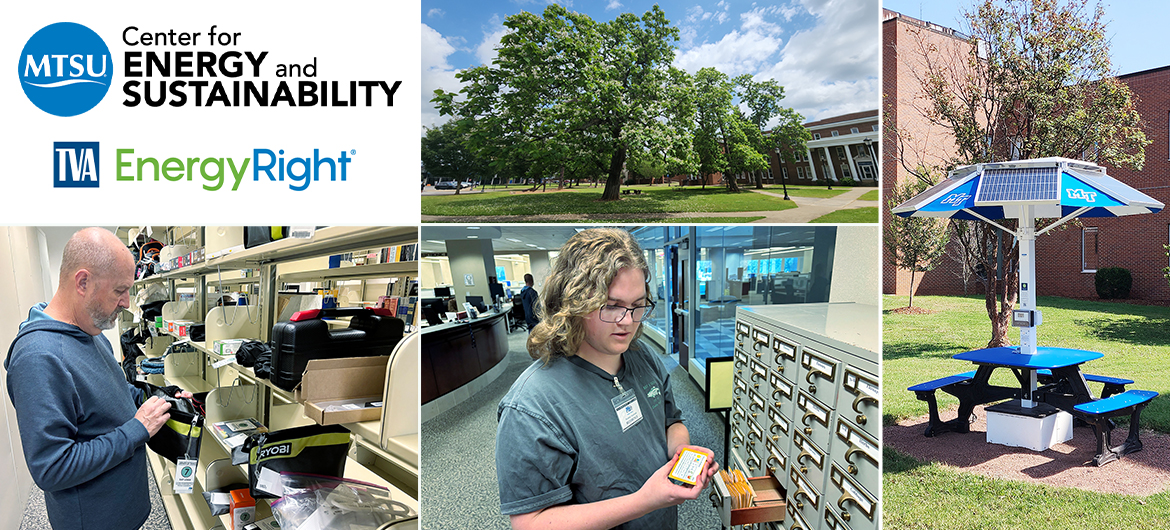
MURFREESBORO, Tenn. — For two decades, Middle Tennessee State University students have done more than talk about energy sustainability — they’ve funded it.


Since 2006, MTSU’s Sustainable Campus Fee program has invested more than $7.6 million in renewable energy, conservation and campus improvement projects, all supported by a per-semester fee and voted on by students.
“They’re taking money out of their own pockets each semester because they value energy efficiency and sustainability. That says a lot about their commitment,” said Danny Kelley, interim vice president for Student Affairs and dean of students, who chairs the Sustainable Campus Fee committee.
For the 2025-26 cycle, students allocated more than $256,000 to fund 26 projects and purchase renewable energy.
“Students want a say in how money is spent on campus to make it more sustainable. They’re able to see their ideas come to life and make real changes on our campus,” said Kristin England, the sustainability manager for the Center for Energy and Sustainability, or CES, which oversees environmental and conservation projects on campus as well as MTSU Recycles.
Students take the lead
The program began as the Clean Energy Fee after the Student Government Association passed a resolution dedicating student funds toward renewable energy and conservation efforts. MTSU was among the first universities in Tennessee to implement such a fee, setting a model that other institutions would later follow.

“It’s been wildly successful, and from my perspective, it was the model for other schools,” said Joe Whitefield, assistant vice president of MTSU’s Facilities Services Department.
Whitefield, who was involved when the program was created, said the initiative grew from earlier campus energy efforts, including the construction of MTSU’s cogeneration plant in the late 1990s. The natural gas-fired turbine generates 5 megawatts of electricity to power campus and captures waste heat to produce steam that helps heat campus buildings.
“Students wanted to invest in cleaner forms of energy and make a visible difference,” Whitefield said. “The goal was to purchase green power and support meaningful projects on campus. Nearly 20 years later, it’s still going strong.”
Students contribute $8 per semester to the fund. Campus departments and organizations may submit project proposals each fall outlining anticipated financial and/or energy savings.
Student, faculty collaboration
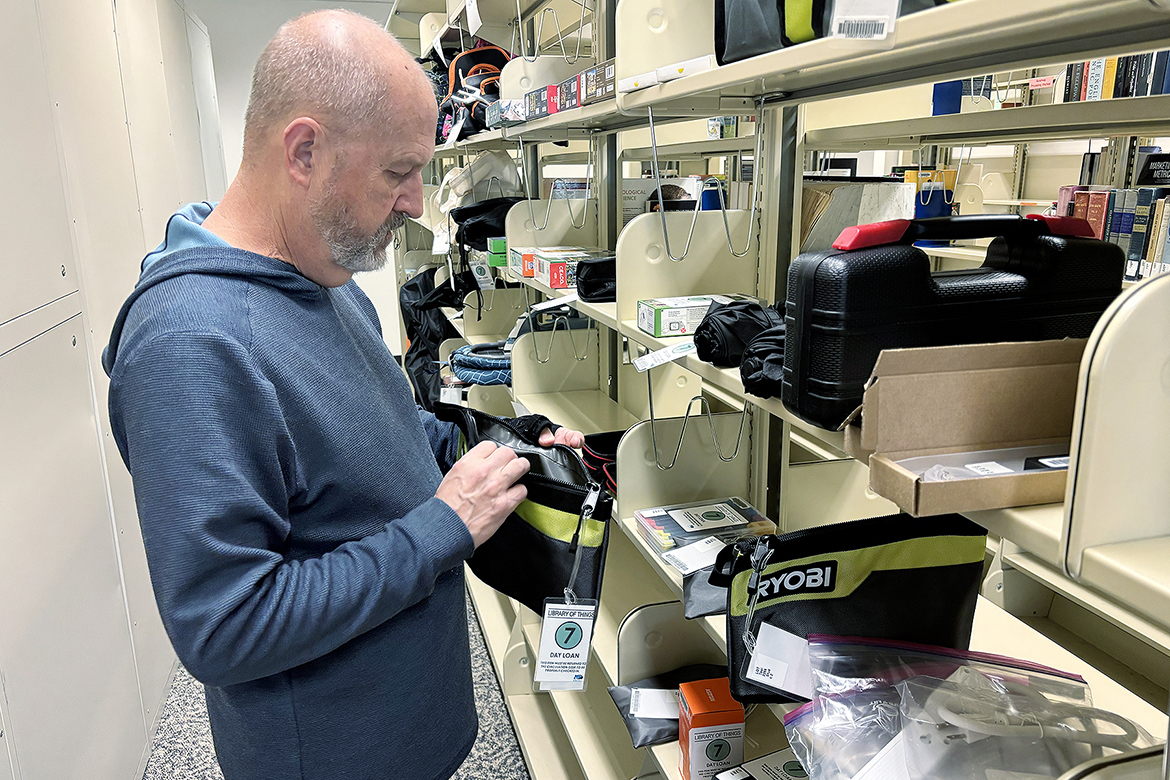
A voting committee comprised of four students and one faculty member reviews applications and determines which projects to support. Kelley serves as chair, with Whitefield as co-chair, helping guide the process and ensure proposals meet established guidelines.

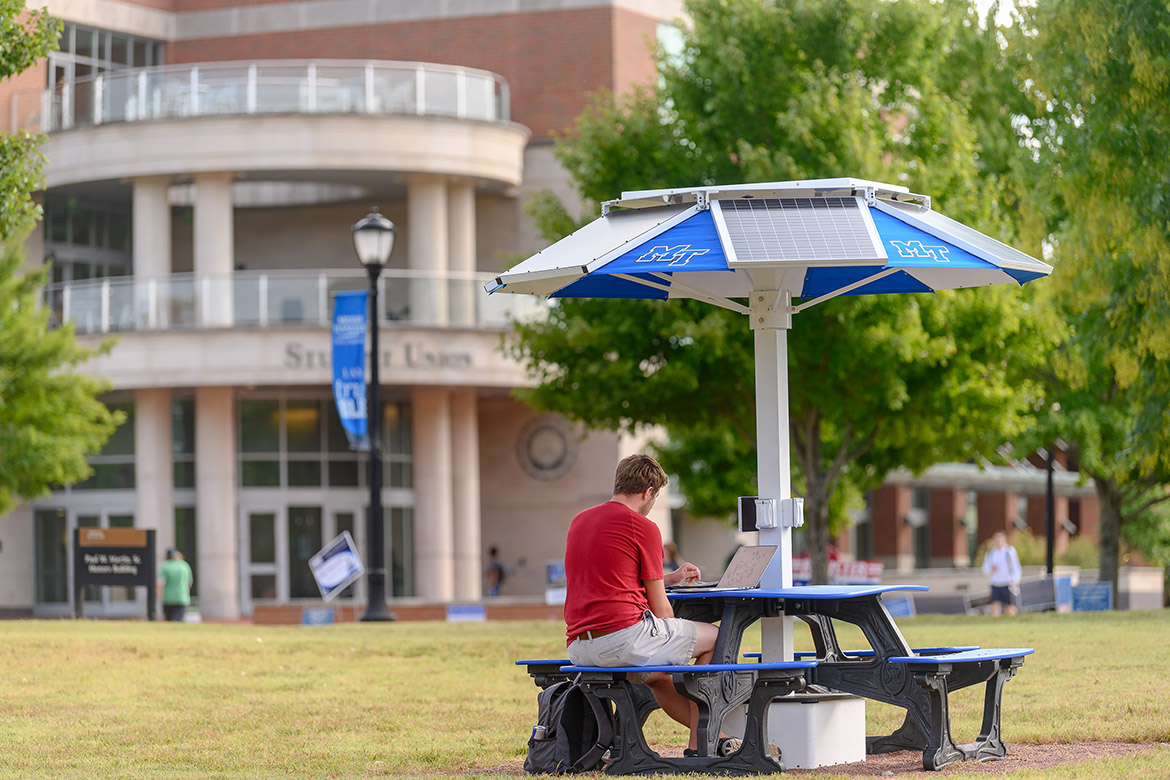
In addition to funding all 2025-26 project applications except one solar picnic table proposal, the committee also approved the purchase of $22,500 in renewable energy through the Tennessee Valley Authority’s EnergyRight Green Switch program, investing in cleaner energy production across the state.
“When the program first started, a lot of the funding went toward renewable energy,” England said. “Now we are seeing more funding for campus projects that make our campus more sustainable — renewable energy, energy efficiency, waste reduction, education and engagement. It’s grown in scope.”
Over the years, the fee has supported a wide range of initiatives. Highly visible projects include solar picnic tables, recycling at tailgating events and numerous water bottle refill stations across campus. Other efforts — such as LED lighting upgrades, energy-efficient equipment and building improvements — may be less noticeable but deliver long-term cost and energy savings.
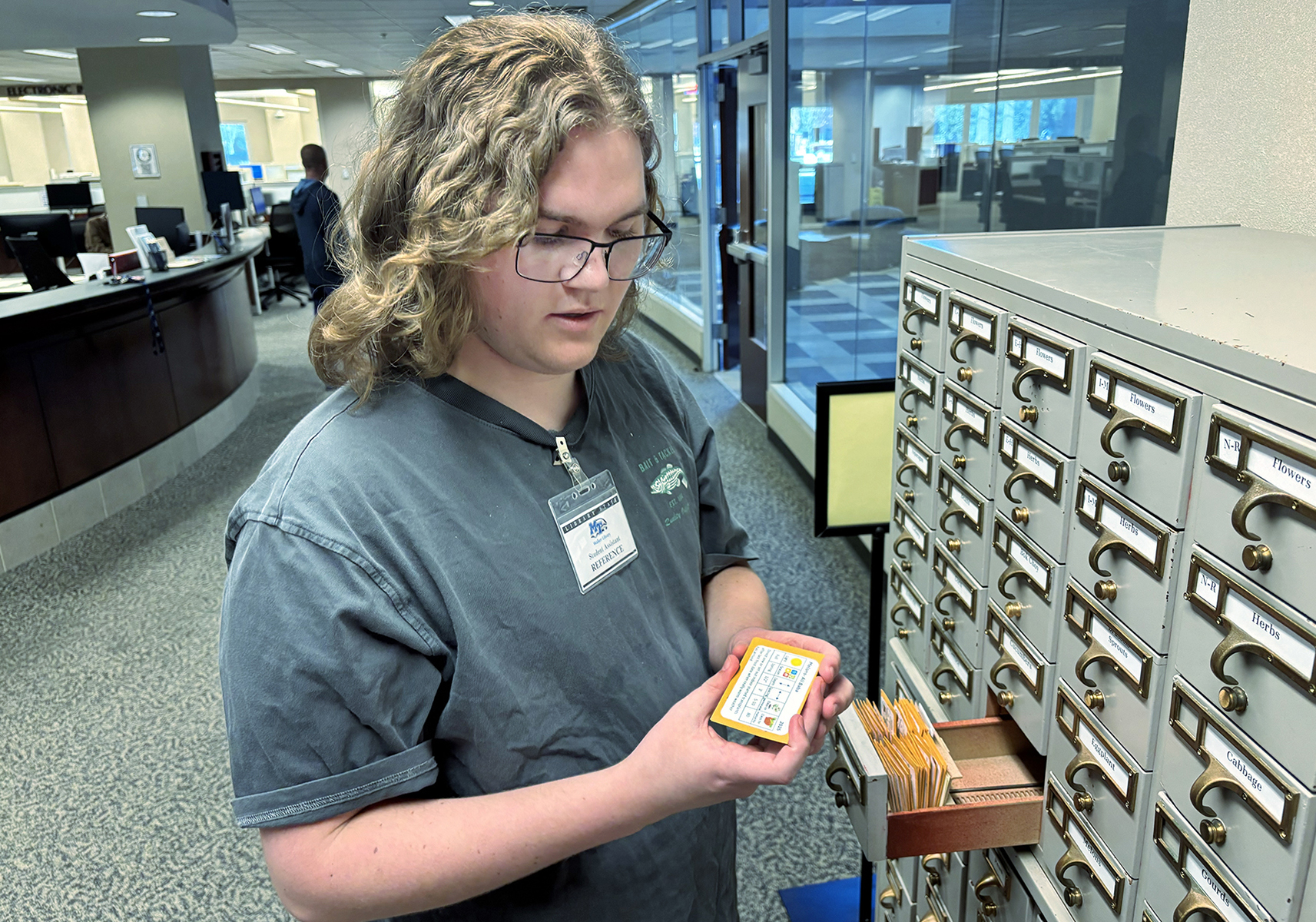
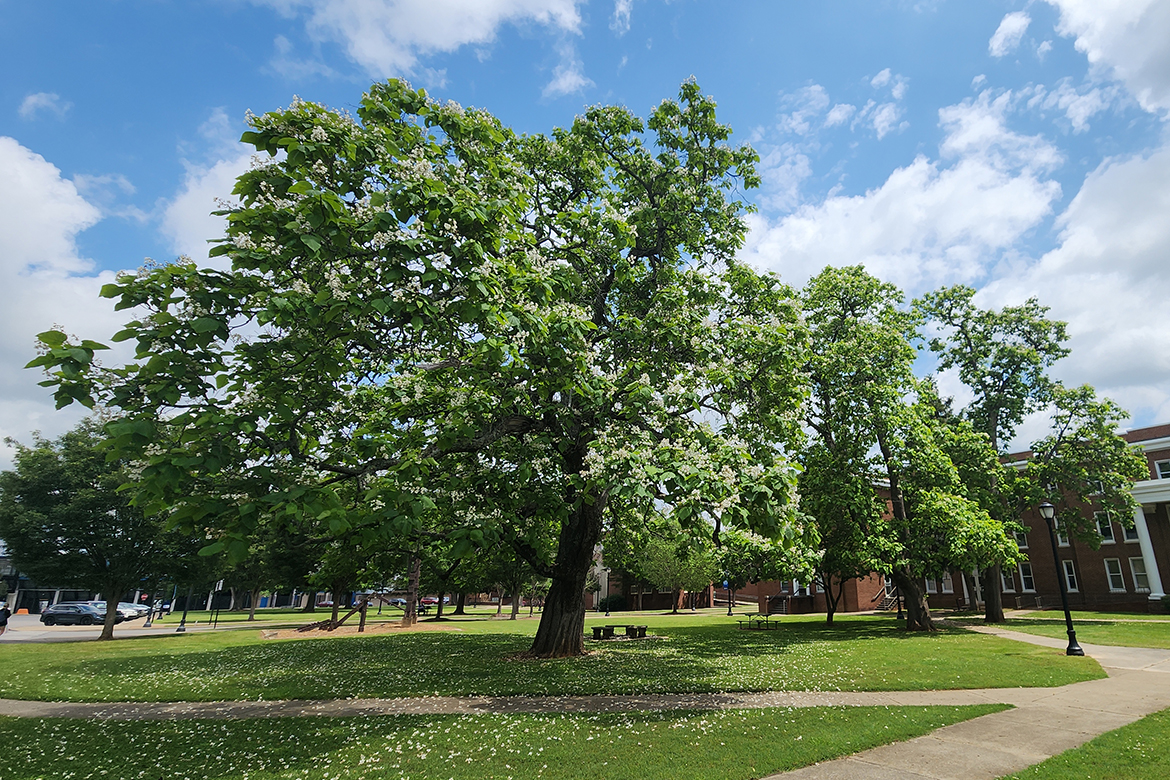
The program has also funded the well-used campus Seed Library located in James E. Walker Library and contributed to the development and ongoing enhancement of the MTSU Arboretum, including tree planting and maintenance. It has supported hard-to-recycle material collection programs and helped underwrite Earth Month sustainability events held annually throughout April.
“There are things students see every day, and then there are projects behind the scenes that still make a significant impact,” Kelley said. “All of it adds up.”
University leaders say the program’s longevity reflects a culture of shared responsibility.

“To think students wanted to take the lead and financially contribute to sustainability efforts — and have continued to support it for nearly two decades — is impressive,” Kelley said. “It’s made a real difference for this campus.”
As MTSU continues to expand its sustainability efforts, the Sustainable Campus Fee remains a student-driven force shaping a greener future.
“There have been a lot of good things happen on campus because of this,” England said. “From the community garden to the arboretum to recycling programs — students can point to real changes and know they helped make them happen.”
The CES is also gearing up for special events in celebration of Earth Month in April, including Earth Day festivities, a free plant giveaway and a speaking engagement featuring renowned conservationist Doug Tallamy.
To learn more, email England at Kristin.England@mtsu.edu or Kristen Hargis at Kristen.Hargis@mtsu.edu.
— Nancy DeGennaro (Nancy.DeGennaro@mtsu.edu)




COMMENTS ARE OFF THIS POST