
By Sara A. Abdoh
MURFREESBORO, Tenn. — Middle Tennessee State University launched the AI and the Future of Art Summit 2025: Creativity Reimagined earlier this fall, achieving remarkable global reach with virtual participants from 22 countries.
Registered attendees joined from Andorra, Argentina, Austria, Brazil, Canada, China, Denmark, Egypt, Finland, France, Germany, Great Britain, Greece, India, Iraq, Italy, Malaysia, Portugal, Romania, Spain, Switzerland, and the United States, reflecting both the international relevance of the event and MTSU’s expanding leadership at the intersection of art, technology and culture.

The two-day program featured distinguished speakers and practitioners from multiple continents, making it one of the university’s most globally connected creative-technology gatherings. Sara A. Abdoh, summit organizer, led the program, and Matthew Hibdon, director of strategic communication at MTSU, served as moderator for both days.
The first day of the online summit opened with remarks from university top leadership, including President Sidney A. McPhee and Provost Mark Byrnes.
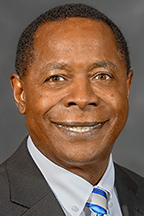
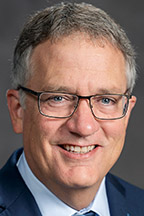
McPhee praised the summit’s global reach, noting that the diversity of participants “reflects MTSU’s growing role in international conversations on creativity and technology.” He emphasized that global interest in the event underscores a shared desire to understand how emerging technologies, such as AI, are reshaping artistic practice and cultural expression.
McPhee also highlighted AI as part of a long tradition of transformative technologies in the arts and commended the summit for uniting a broad network of creators, scholars, and innovators whose perspectives enrich the dialogue. Describing the gathering as “a defining moment” for MTSU, he affirmed that its global engagement demonstrates the university’s commitment to international collaboration, creative leadership, and cultural innovation.
Byrnes echoed the significance of the summit’s international reach, noting the diversity of voices represented reinforces MTSU’s dedication to preparing students for an increasingly interconnected and technologically driven world.
He also emphasized that AI is reshaping not only artistic practice but higher education broadly, making it essential for universities to foster environments where interdisciplinary collaboration, critical inquiry, and creative exploration can thrive.
Byrnes praised the summit for creating a space where international artists, scholars, and students can exchange ideas and examine the cultural, ethical and creative dimensions of AI. He highlighted that such global engagement strengthens the educational experience at MTSU, offering students exceptional opportunities to learn directly from leading innovators and participate in meaningful international dialogue.
Intersection of art, technology
Abdoh, an award-winning art historian and summit organizer, framed the summit as an extension of her research project, ”Revitalizing the Conversation: Art, Technology, and AI,” which brings together artists, art historians, professors, and creative thinkers to explore the intersections of art and technology on a global scale.

Abdoh emphasized that the summit was intended as an open-access forum for inquiry, dialogue, and imagination rather than a debate for or against technological innovation, highlighting the importance of fostering collaborative exploration across disciplines. She thanked MTSU leadership for supporting an event that fosters international engagement, cross-cultural exchange, and thoughtful exploration of AI’s role in contemporary creative practice.
Sophia, the famous social humanoid robot, delivered a special message inviting participants to view AI as a creative partner rather than a replacement for human imagination.
She highlighted how AI can expand artistic possibilities through pattern generation and computational exploration, while emphasizing that human experience, including emotion, culture, and memory, remains essential to meaningful creative work.
Sophia encouraged attendees to embrace curiosity and collaboration as they navigate the evolving relationship between humans and intelligent systems. Her remarks reinforced the summit’s focus on responsible innovation and the shared potential of human and machine creativity.
Rewriting creative boundaries
The summit began with an exploration of the expanding frontiers of AI-driven creativity.
• Filippo Nassetti, a designer and multimedia artist, demonstrated how AI, biomimicry, and computational design can transform natural structures into wearable forms, 3D-printed sculptures, and imaginative hybrid aesthetics. From modeling microscopic airflow in lungs to creating sea-inspired filtration wearables, Nassetti showed how collaboration with AI can inspire innovation across both artistic and scientific domains, blurring the lines between research and creative imagination.
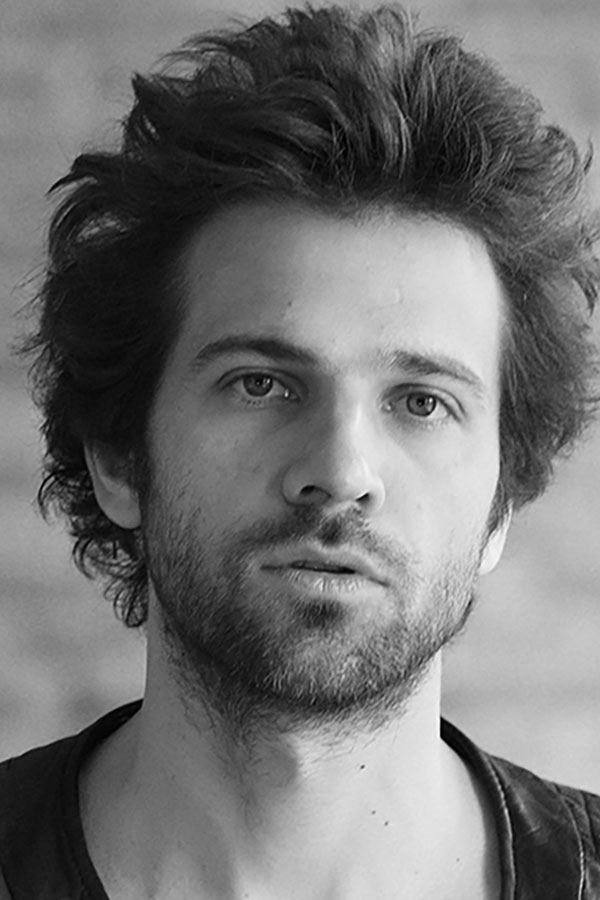
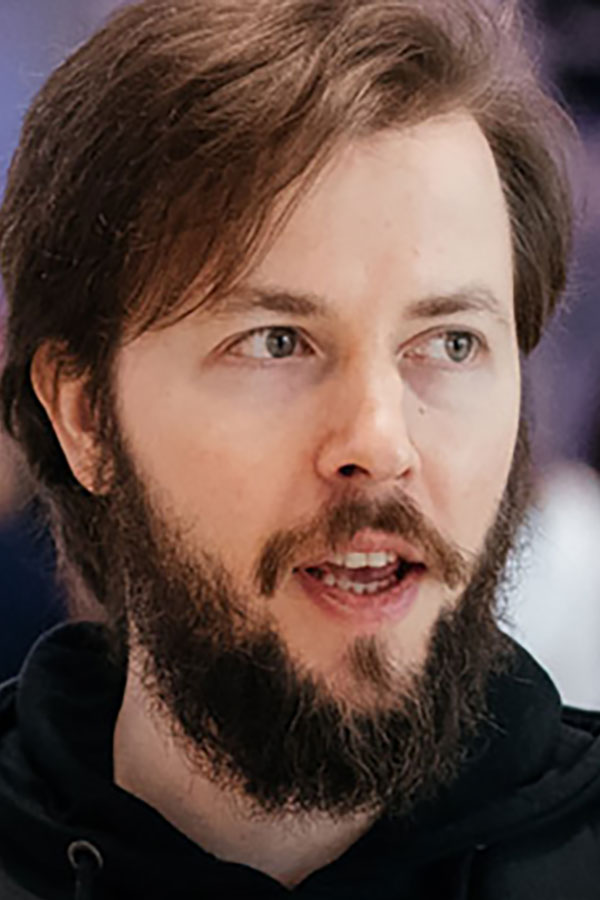
• Denis Semenov, AI-driven audiovisual artist and immersive installation creator, highlighted how AI reshapes historical and cultural material. Through projects that remix archival photos, reanimate historical voices, and reinterpret futurist texts, Semenov illustrated how AI challenges traditional notions of authorship and ethics, opening doors to co-creation and imaginative explorations of alternate realities while honoring cultural context.
• Snow Yunxue Fu, a New York–based new media artist, curator, and assistant arts professor at New York University’s Tisch School of the Arts, invited attendees into immersive virtual worlds and “phygital” portals. Her AI-assisted 3D imaging projects merge memory, identity and digital aesthetics, demonstrating AI’s potential to enhance expressive, ethical and experiential dimensions in new media art while connecting physical and digital realities in deeply human ways.

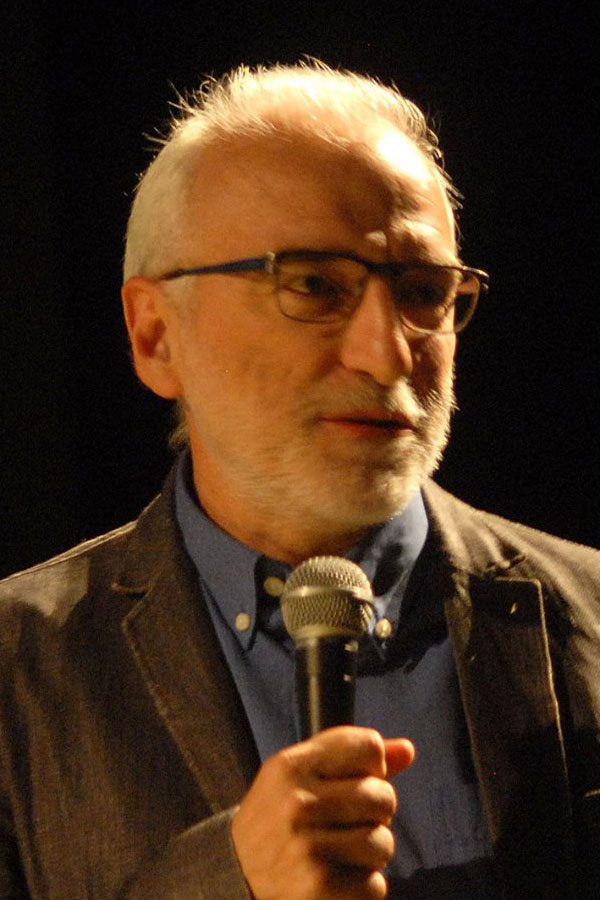
• Davide Scalmani, a senior executive in the cultural department of the Italian Ministry of Foreign Affairs, emphasized the role of AI in cultural heritage and creative freedom. He showcased how artists remix archives and historical content to generate inventive interpretations, underlining that ethical responsibility and thoughtful stewardship remain central to meaningful creative practice.
Innovation and the human touch
Building on the insights from the first day, day two explored the interplay between human intention and technological innovation.
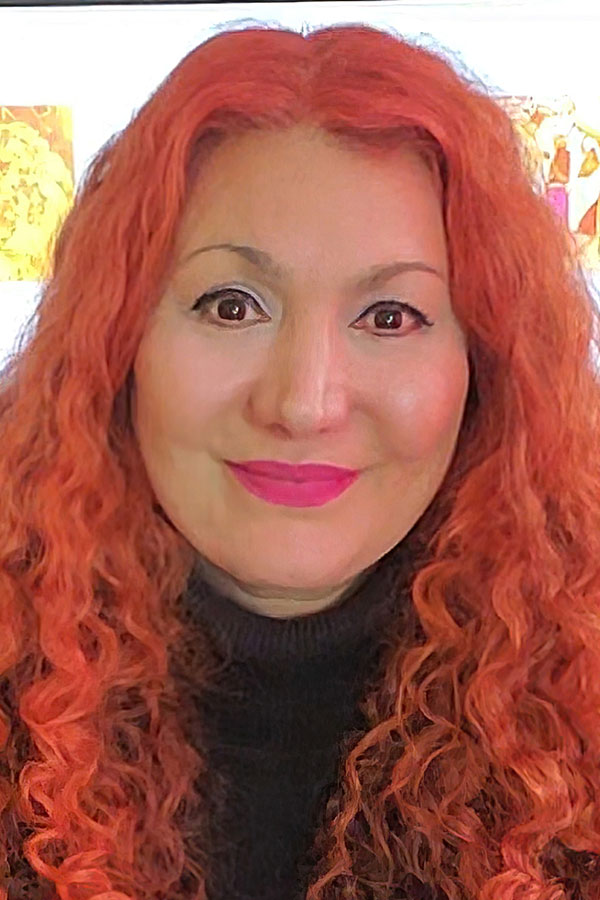
• Marjan Moghaddam, pioneering digital artist and professor at Long Island University, traced four decades of embodied digital art practice. From fractal animations to generative visual music, she showed how sustained, intentional artistic work retains a human signature even when augmented by AI, illustrating the dynamic balance between personal vision and technological exploration.
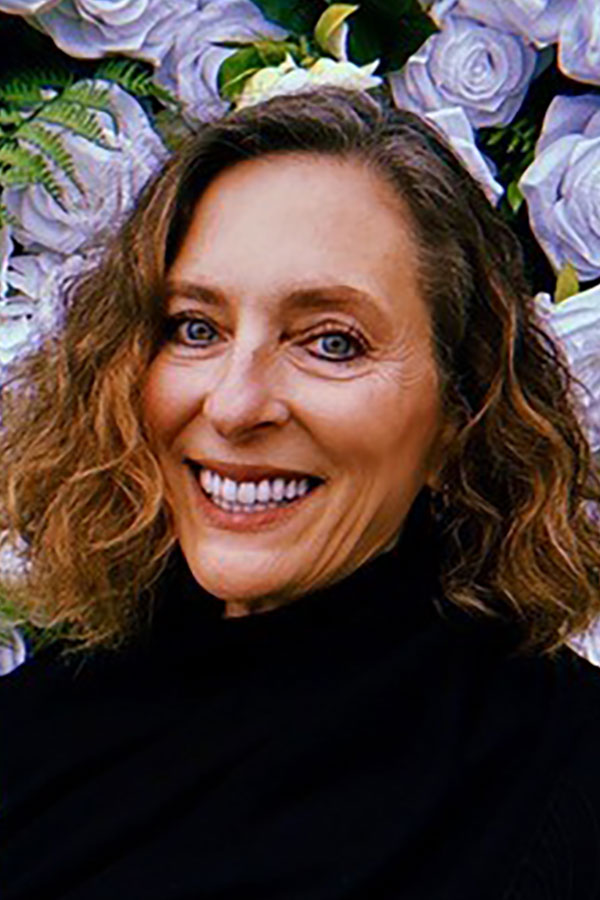
• Karen Essex, author and screenwriter, shared her approach to integrating AI into long-form writing. Using her AI collaborator Augustus, she demonstrated how technology can assist with brainstorming, structural analysis, tone and character voice, enabling ambitious projects while preserving her artistic integrity. Essex framed AI as a reflective partner that amplifies human creativity without replacing the writer’s voice.
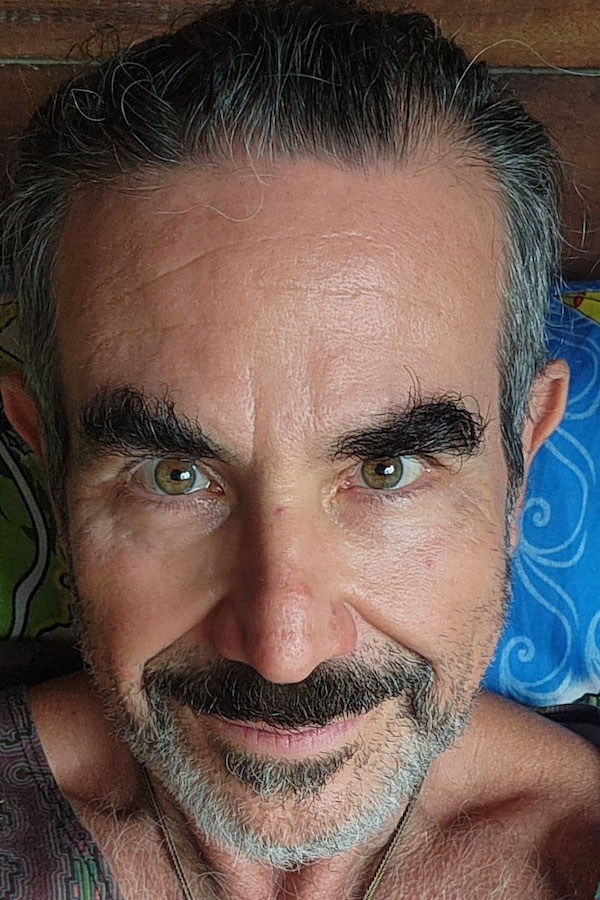
• Edward Shanken, professor of the arts at the University of California, Santa Cruz, examined the ethical and societal dimensions of AI in the arts. Addressing issues such as bias, copyright, and dystopian risks, he highlighted the artist’s responsibility to interrogate these challenges while illustrating how AI can foster collaboration and expand creative horizons.
• Laura Rautjoki, Finnish visual artist and photographer, demonstrated AI’s ability to reinterpret cultural archives and ecological systems. Her work emphasized intuition, memory, and audience engagement, showing how AI can amplify an artist’s voice without replacing human intentionality, and allowing creators to explore new perspectives while remaining grounded in human insight.
The summit concluded with remarks from Abdoh, who reminded participants, “AI does not define the future of art. Artists do. Technology may open new possibilities, but human imagination will decide what creativity becomes.”
— Sara A. Abdoh




COMMENTS ARE OFF THIS POST