
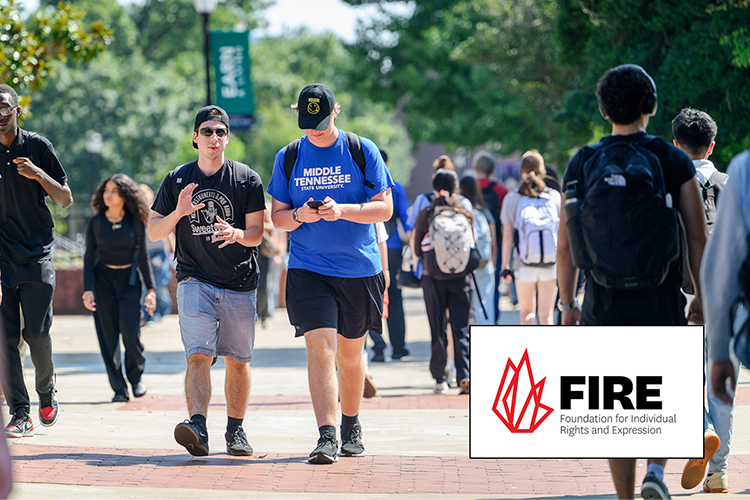
MURFREESBORO, Tenn. — Middle Tennessee State University has been named one of the nation’s top universities for respecting and protecting the free speech rights of students and professors, ranking 13th out of 261 colleges and universities across the country on the Foundation for Individual Rights and Expression’s seventh annual College Free Speech rankings.
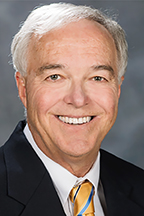
“This placement is very encouraging,” said Ken Paulson, director of MTSU’s Free Speech Center. “FIRE is the only organization that does this kind of study and its process is diligent.”
The nonprofit foundation, more commonly known as FIRE, reported this year’s ranking evaluated nearly 63,000 student respondents and 261 schools. In addition to MTSU’s high ranking — up two spots from last year — it was one of only 24 schools to receive a speech climate grade of C or higher, while 121 received failing grades.
“MTSU has long had policies in place to encourage free expression campuswide,” Paulson said. “It’s been part of the culture and governance of the university for a long time, evidenced in part by the cornerstone creation of the John Seigenthaler Chair of Excellence in First Amendment Studies all the way back in 1986 (in honor of the legendary Tennessean president, editor and publisher), the establishment of the Free Speech Center in 2019, and the adoption of several First-Amendment-protective policies.”
FIRE launched the ranking in 2020 to further its mission to defend and sustain the individual rights of all Americans to free speech and free thought, highlighting that colleges and universities “play a vital role in preserving free thought within a free society” and that this tool could “help high school students and their parents identify which colleges promote and protect the free exchange of ideas.”
To produce the rankings, the organization surveys students in partnership with the online survey and data analytics company College Pulse, analyzes written policies governing student expression, and tracks speech controversies, according to its website.
A True Blue legacy of free expression
Paulson pointed to the institution of the Seigenthaler Chair four decades prior as a landmark step in the university’s commitment to “support(ing) quality journalism in the state through the deepening experiences of students and partnerships with the community,” as stated in the mission statement on the chair’s website.
“It had scholars who started early in teaching, lecturing, conducting research and leading seminars on free speech and a free press,” said Paulson about the center, currently directed by Deborah Fisher, which continues to host important First Amendment programs on campus.
The Siegenthaler Chair’s efforts to build MTSU’s legacy of free speech, democracy and citizenship are further complemented by the university’s very active chapter of the American Democracy Project and the Paulson-directed Free Speech Center.
Originally from the Chicago area, Paulson arrived at MTSU after a prolific career in journalism, including several years as USA Today’s editor-in-chief. He first served as dean of the then College of Mass Communications (renamed the Scott Borchetta College of Media and Entertainment last year), before establishing the Free Speech Center in 2019 as a “nonpartisan, nonprofit public policy center dedicated to building understanding of the five freedoms of the First Amendment through education, information and engagement.”
“The center is now very highly regarded as a primary source of information about the First Amendment,” Paulson said. “We receive hundreds of phone calls, do countless press interviews, and produce innumerable articles about the First Amendment on our website, the latter of which garner millions of unique visitors a year.”
Paulson said he and center staff have also helped the university rework policies to better reflect First Amendment law, specifically adopting the Chicago Principles and institutional neutrality, both of which factored heavily into FIRE’s ranking.
“The Chicago Principles was adopted by the University of Chicago in 2015 and essentially guarantees free expression for all members of the campus community,” Paulson said. “It also cautions that it is not the proper role of the university to attempt to shield individuals from ideas and opinions they find unwelcome, disagreeable, or even deeply offensive.”
Institutional neutrality, Paulson explained, pertains to university leadership.
“It means the president of the university, the leadership of the university regard it as inappropriate to issue political statements on behalf of the university community as a whole … because what we want is free speech campuswide, and the people at the top expressing political opinions can have a chilling effect.”
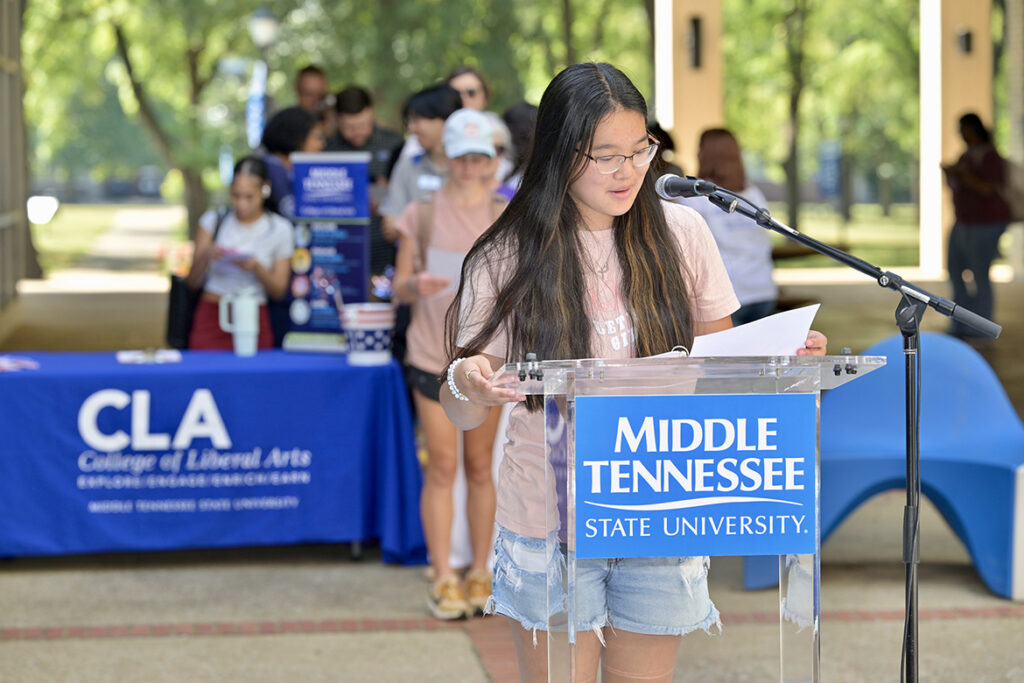
Overall, Paulson said he attributes MTSU’s impressive ranking to this confluence of work over several decades of protecting students’ First Amendment rights via the Seigenthaler chair, the Free Speech Center and university policy updates.
“I’m confident MTSU will continue its commitment to free speech on campus and that will continue to help the university thrive,” he said. “First Amendment issues are emerging left and right, and those institutions that have embraced key principles all along will do better than the rest.”
Recognizing the administration’s efforts
Recent graduate Alexander Laudeman’s work in the Free Speech Center puts him in the front row of First Amendment issues on campus.
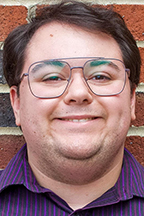
“I currently work as the social media manager of the center and as an adjunct professor for the university,” said Laudeman, who first earned his undergraduate degree in public relations followed by a graduate degree in media and communication that he completed last spring. “Our mission is to build understanding of the five freedoms of the First Amendment through education, information and engagement.”
From his six years as an MTSU student, the Chattanooga native said he feels very strongly that speech should be free from university censorship, and he recognizes that MTSU’s administration has made efforts to support free speech on campus by adopting policies like the Chicago Principles.
“The more difficult part is ensuring that every student actually feels empowered to exercise their freedom of speech, regardless of their gender, race, religion or political persuasion,” he said. “It’s important to listen to student voices and foster an environment where students know the university has their back, and I believe MTSU staff does both of these things, but we need to constantly strive to improve, too.”
Learn more about MTSU’s Free Speech Center at https://firstamendment.mtsu.edu/.
— Stephanie Wagner ([email protected])




NO COMMENT