

MURFREESBORO, Tenn. — As temperatures finally cool, leaves change colors and spiced drinks resume their rightful place on coffee shop menus everywhere, these seasonal shifts signal more than autumn’s arrival.

“When it gets cooler, people stay inside more,” explained Middle Tennessee State University professor Anthony Farone, who teaches immunology and microbiology. “When people congregate, stay inside, the chances of (illness) spreading is increased.”
Colds and viruses, particularly the flu, are beginning to pop up across Middle Tennessee.
“We have already seen some sporadic cases (of influenza) at Health Services,” said Health Services Director of Nursing Melissa Taylor. “We usually start to see an increase in the frequency of positive cases around the middle of October.”
Don’t miss your shot
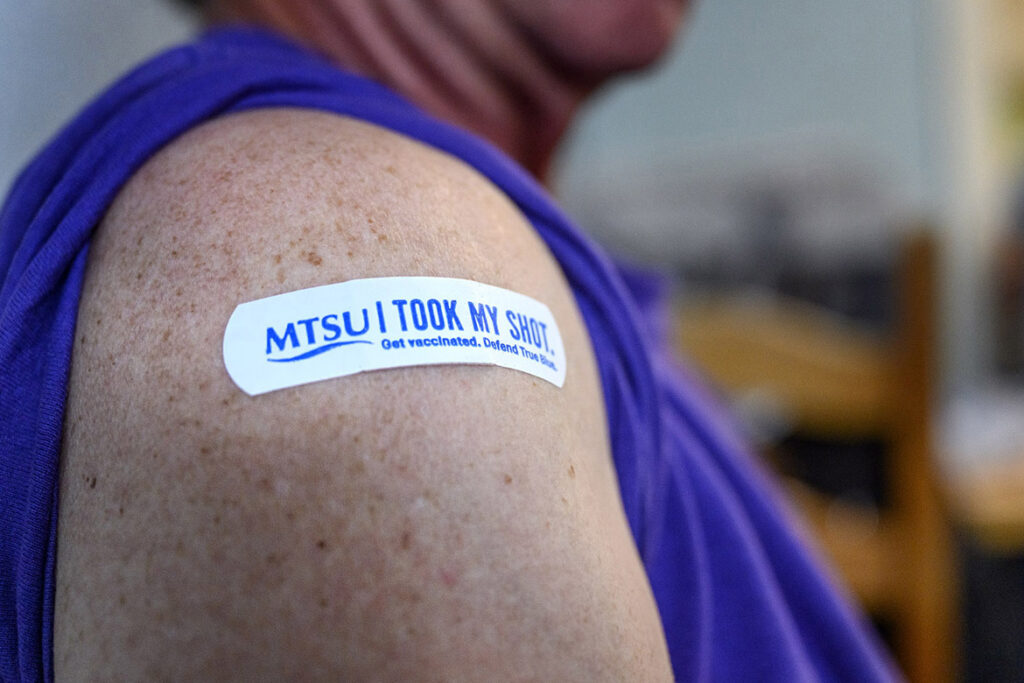
One of the most effective tools against influenza is the flu shot.
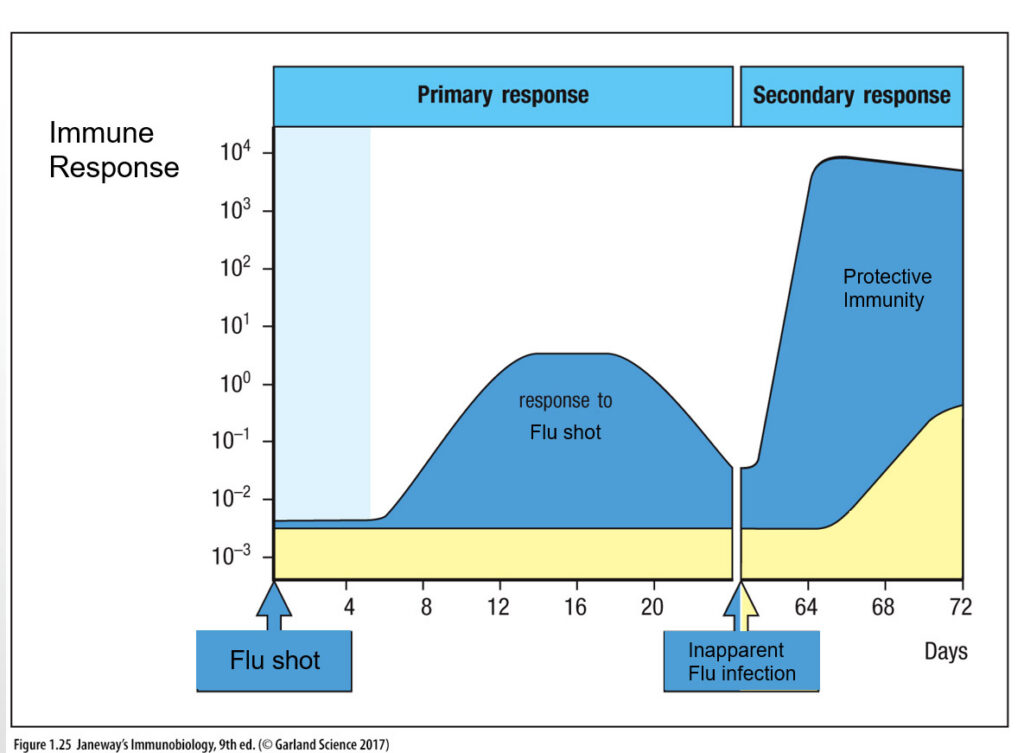
“When you take the flu shot, you inject inactive pieces of multiple strains of the influenza virus into your body,” said Taylor. “Your immune system will create antibodies to the strains of the virus that are introduced. If you are exposed again, your body will recognize the virus and start fighting it immediately.”
Campus Flu Shot Pop-Ups
- Thursday, Oct. 15, from 9 a.m.-1 p.m. in the Library Atrium
- Friday, Oct. 16, from 9 a.m.-1 p.m. in the Library Atrium
- Thursday, Oct. 22, from 9 a.m.-1 p.m. in the Bragg Atrium
- Friday, Oct. 23, from 9 a.m.-1 p.m. in the Bragg Atrium
- Tuesday, Oct. 27, from 9 a.m.-1 p.m. in the Rec Center Atrium
The shot is available by appointment at MTSU’s Health Services and Pharmacy or during one of the five remaining “pop-up” flu shot clinics across campus during October. The injections are fully covered by insurance, $25 for uninsured students and $50 for uninsured nonstudents.
While the shot does contain pieces of the virus, those pieces are inactive and cannot cause a person to become infected with the flu. However, some folks may feel poorly for an afternoon.
“That’s your immune response, and it gives you those flu-like symptoms,” said Anthony Farone. “We’re trying to give you the best protection in a safe way.”

“It’s feeling lousy for maybe a day or half a day versus full-blown infection,” said fellow MTSU professor Mary Farone, who is married to Anthony Farone. She specializes in clinical microbiology and antimicrobial agents.
The full protective effect of the flu shot takes roughly two weeks after vaccination. Being vaccinated cannot prevent someone from becoming infected, but it does reduce the severity and duration of the flu. Those two functions are instrumental in slowing the spread of sickness.
“After the vaccine, your immune response is so prepared to fight that virus, should you get it, that it does a pretty good job, very quickly,” said Mary Farone. “Your chance of even spreading it is minimal.”
Flu spreads via aerosols — tiny droplets containing the virus, projected by coughing or sneezing. The fewer aerosols an infected person produces, the lower the risk of their illness spreading to others.
“The more of us that are protected, the more we can protect (others),” said Mary Farone.
Vaccination also slows down influenza’s ability to mutate.
“The longer (the virus) is allowed to replicate, meaning you didn’t get the shot, you didn’t stop it, the more chance it has to change,” said Anthony Farone. “If you stop it early, it’s not going to have that opportunity, that time to mutate.”
Follow that flu
Scientists track influenza and its mutations across the globe year-round. In the Southern Hemisphere, flu season typically peaks sometime between June and August, during their colder months.
“Epidemiologists follow that and say, OK, six months from now it’s going to be fall and then winter in the United States. Flu season. We’ve got to prepare,” said Anthony Farone.
Flu forecasting gives scientists a peek into the virus’s mutations. The ability to identify which strains are likely to reach the Northern Hemisphere is critical to developing effective vaccines and preparing for public health threats.
“There are certain mutations that would cause a big pandemic, and other mutations are just minor,” said Anthony Farone. “That’s the main thing we are looking for as we follow it around the globe.”
To your health
Maintaining healthy habits goes a long way toward preventing all kinds of sickness, including influenza. Hydration, good sleep and stress management are all important factors in mounting an effective immune response.
“If you do all those things — hydrate, get rest, have a healthy diet — and you get infected, you’re going to probably fight it off better,” said Anthony Farone.
Another simple, effective defense against illness is conveniently available in every single building on campus: soap and water. Frequent handwashing significantly reduces infections.
“Any rinsing, washing, mechanical action, you’re sloughing off cells (a virus) may be attached to, to prevent you from doing this,” said Mary Farone, touching her face, “and getting it into the respiratory tract.”
Both Farones also recommend coughing or sneezing into an elbow rather than covering coughs with a hand to reduce the spread of germs.

Some of the most common symptoms of flu are fever, cough, congestion and body aches. If caught early, a prescription antiviral medication, such as Tamiflu, may shorten the duration of illness.
“Self-isolate when possible,” said Taylor. “Schedule an appointment at Health Services for testing and treatment, as needed.”
They say the best defense is a good offense. By layering vaccination, hydration, handwashing, healthy eating, stress management and sleep, Blue Raiders can reduce the risk of contracting and spreading seasonal illnesses like the flu.
If sickness does strike, Health Services is here to help. Located inside the Rec Center, the office’s regular hours are 8 a.m. to 4:30 p.m. Monday through Wednesday, 9 a.m. to 4:30 on Thursdays and 8 a.m. to 4 p.m. on Fridays.
For assistance with vaccinations or other health concerns, reach Health Services at 615-898-2988 or [email protected].
— Cat Curtis Murphy ([email protected])





NO COMMENT