
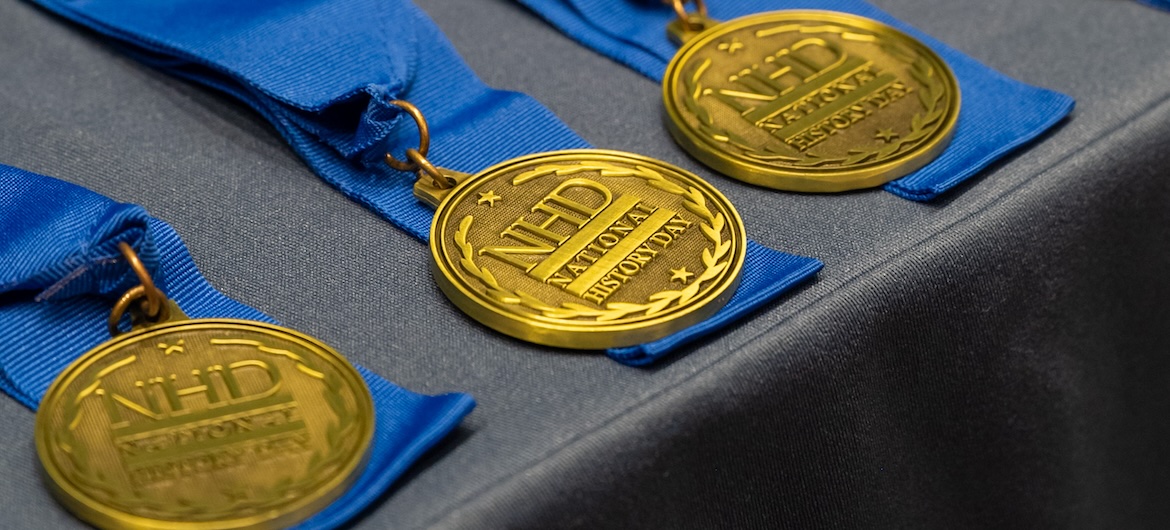
Event for middle and high school students exhibits a tradition of learning, leadership, and legacy
by Matthew Hibdon
Each spring, the MTSU campus becomes a hub of historical inquiry and creativity as it hosts the Middle Tennessee Regional History Day competition.
Part of the larger National History Day program, this event is more than a contest—it’s a transformative educational experience that has shaped the lives of thousands of students across the state and the nation over the years. The statewide leader of this program is MTSU alumna Nikki Ward, whose leadership and passion for history education have helped elevate the program’s impact and accessibility.
History of History Education at MTSU
MTSU’s involvement with history competitions dates to the early 1970s, even before the founding of National History Day (NHD) in 1974. In 1971, the University’s Department of History launched a regional history competition featuring a rigorous multiple-choice and essay exam.
Spearheaded by faculty members James Huhta, Fred Colvin, and Robert “Bob” Jones, this early contest aimed to recognize outstanding high school history students and engage teachers in professional development. By 1989, the competition had grown to include 276 students from 21 high schools.
Although it ended in the mid-1990s, this original competition laid the groundwork for MTSU’s later involvement with National History Day. The University’s formal engagement with NHD began in earnest in 2002, when Rebecca Conard, with support from Williamson County Schools and a public service grant, organized the first regional contest on campus. That year nearly 300 students participated, and the event has continued to grow.
From Student to Statewide Leader
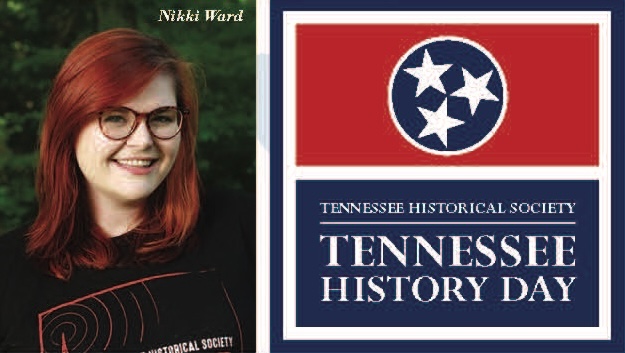
Ward’s journey with History Day is deeply rooted in her time at MTSU. A self-described “redshirt senior,” Ward explored various academic paths before earning her degree in History. An undergraduate public history course and an internship at a small local museum sparked her interest in museum education, eventually leading her to the Tennessee Historical Society (THS), where she now serves as the state coordinator for Tennessee History Day.
Ward’s experience as both a classroom teacher and museum educator gives her a unique perspective on the value of History Day.
“It is an authentic assessment of students’ ability to do history, to actually be a historian in some capacity,” she said. “It also serves as a framework for teachers to engage students in historical thinking, analysis of sources, synthesizing data, and forming their own opinions.”
Her role involves coordinating the statewide contest, supporting regional affiliates like MTSU, and providing professional development for educators. Ward emphasizes the importance of institutional support and community involvement, noting that Tennessee uses a hybrid model where regional contests are coordinated by various institutions with support from the THS.
Scholarship on Display
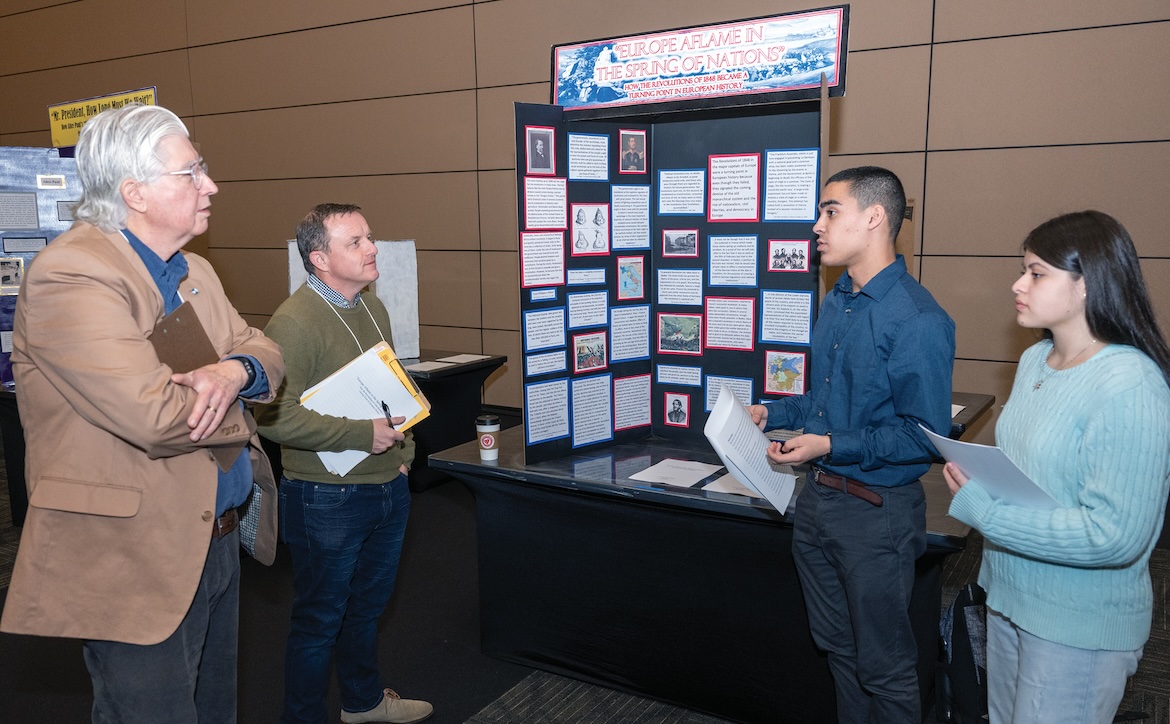
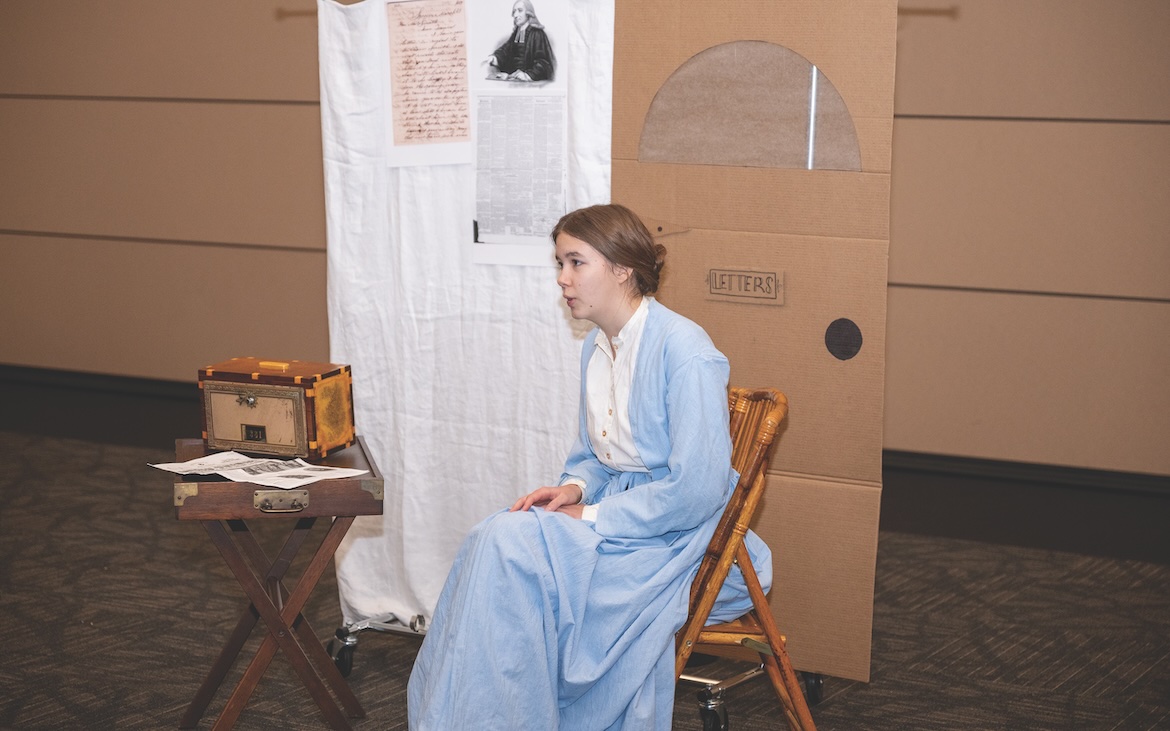
Often described as a “science fair for history,” National History Day challenges students to conduct original research and present their findings through papers, exhibits, performances, documentaries, or websites. Each year’s theme—such as “Revolution, Reaction, Reform in History” for 2026 during the Declaration of Independence’s 250th anniversary—provides a lens through which students develop arguments and analyze historical events. Ward sees the theme as a critical tool for deep learning.
“It’s easy to write a book report or a bio on Diane Nash,” she said. “But when you have to develop an argument around the topic or person, it can be much harder.” This process encourages students to think critically, engage with primary sources, and articulate their own interpretations of the past.
The program’s interdisciplinary nature also fosters collaboration among educators.
“I love seeing English Language Arts teachers and history teachers working together,” Ward said. “The ability to share the workload amongst educators makes it more manageable.”
Building Skills for Every Future
While History Day is rooted in historical research, its benefits extend far beyond the classroom. Students gain valuable skills in writing, public speaking, digital literacy, and project management.
“It’s about more than doing historical research,” Ward noted. “There’s been a larger conversation about how this is reinforcing literacy skills in the classroom and civic engagement.”
Ward shared the story of a student who pursued astrophysics at the University of Southern California after years of History Day projects on the subject. “Her writing skills, her ability to analyze sources, her ability to understand science helped her in her future endeavors as a physicist,” Ward said. “All types of people come out of doing history programs—teachers, media professionals, doctors, technicians. All of us need those thinking skills.”
The competition also introduces students to potential career paths through interactions with judges, many of whom are historians, educators, or museum professionals.
“It gives students glimpses into what their future careers could be,” Ward said. “Getting to interact with people that work professionally in the field can make it seem more tangible.”
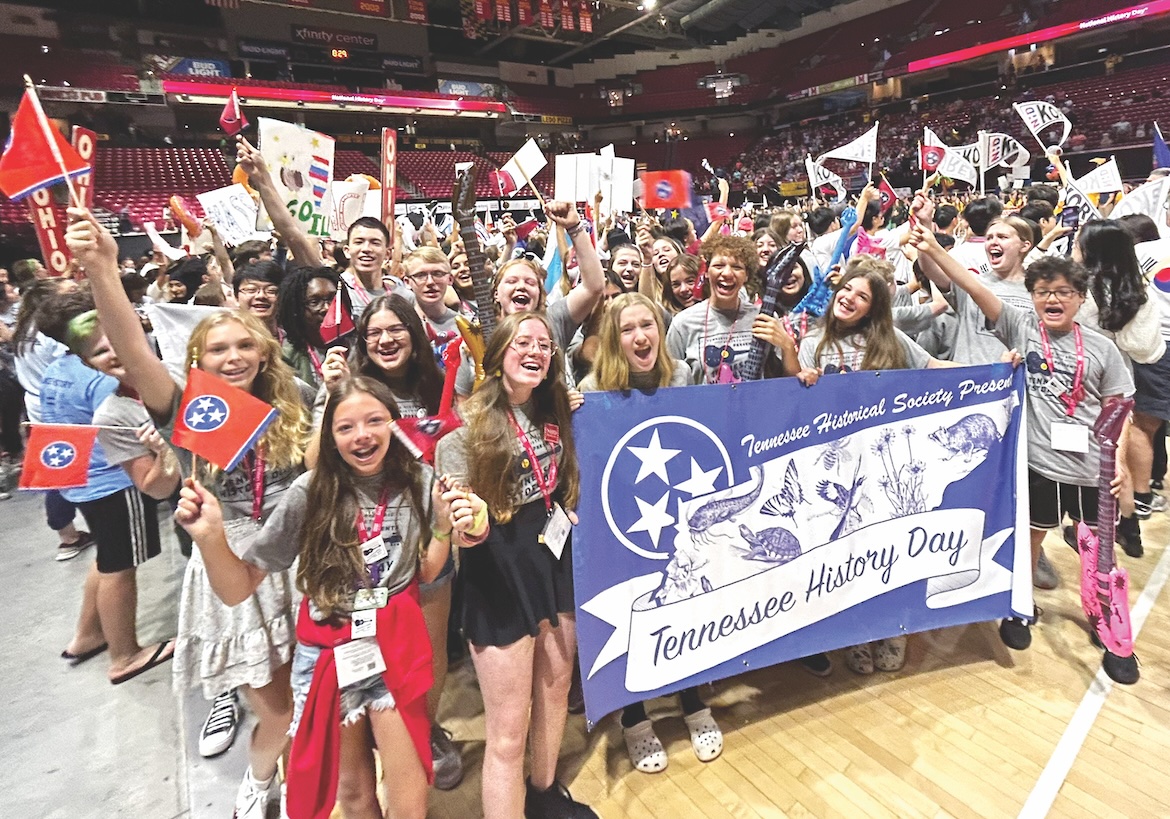
Often described as a “science fair for history, National History Day challenges students to conduct original research and present their findings through papers, exhibits, performances, documentaries, or websites.
A Platform for Growth and Recognition
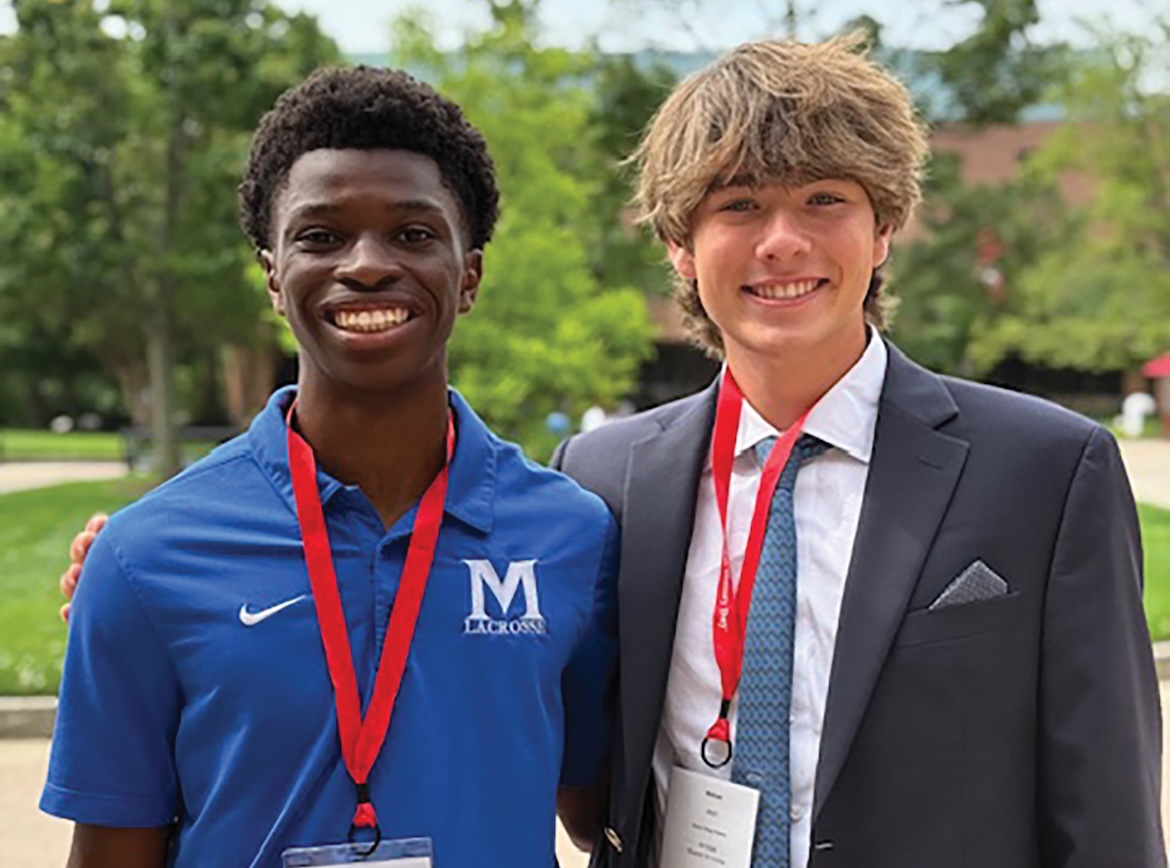
Students who place first or second at the regional level advance to the state contest in Nashville, and top state winners go on to the national competition at the University of Maryland, just outside of Washington, D.C. There, they have opportunities to showcase their work in prestigious venues such as the National Museum of American History and the National Museum of African American History and Culture.
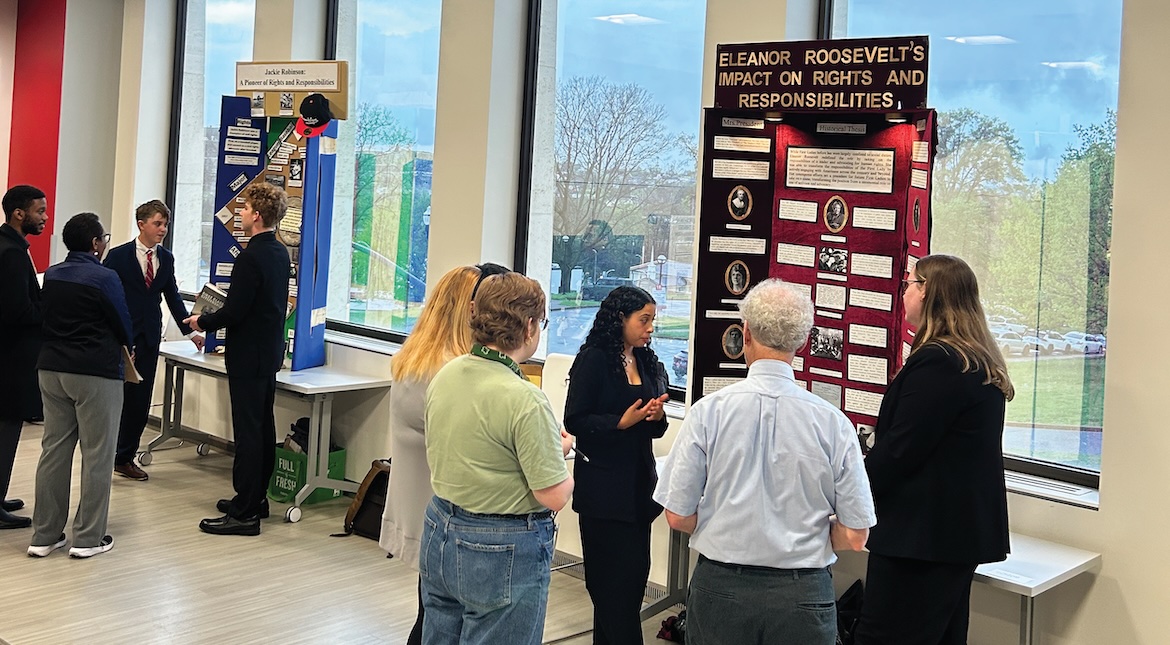
In recent years, Tennessee students have presented projects on Eleanor Roosevelt and on the Memphis sanitation strike at national showcases, engaging with curators and receiving behind-the-scenes tours. Multiple Tennessee participants have placed among the nation’s best, bringing home medals and special awards, highlighting the state’s strong commitment to historical research and scholarship.
Possibilities Through Partnerships
Regional contests, including the one at MTSU, are free for students to enter. And they give students the opportunity to visit a four-year college campus and see the variety of resources they would have open to them as college students. Strategic partners, like the Tennessee secretary of state’s office and Humanities Tennessee, help offset costs for the statewide event in Nashville, ensuring that financial barriers do not prevent students from participating.
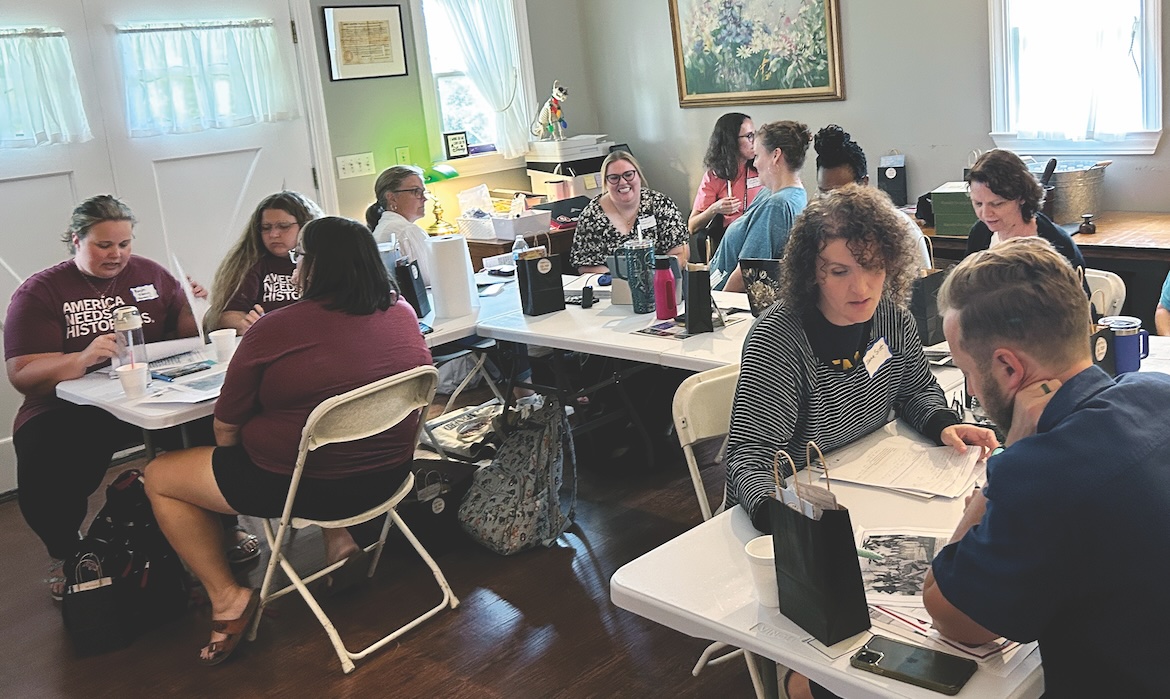
Ward also works to support educators through professional development and curriculum resources. The Tennessee Historical Society offers virtual and in-person training sessions, often in partnership with organizations such as MTSU’s Center for Historic Preservation and Discover Tennessee History.
“The hardest thing for new teachers is getting started,” Ward acknowledged.
“So we try to offer a variety of types of not just professional development, but resources for implementing the program.”
MTSU’s Role in Regional Success
MTSU’s commitment to History Day is evident in its continued hosting of the regional contest and its support for the humanities. The University provides facilities, funding, and faculty involvement, helping to create a welcoming environment for students.
“It seems accessible to students,” Ward said. “They see the campus as a space where they’re going to learn and also showcase their learning.”
The contest also serves as a recruitment tool, exposing high-achieving students to MTSU’s academic offerings. Panels, campus tours, and interactions with faculty help students envision themselves as future Blue Raiders.
Looking Ahead
As History Day continues to grow in Tennessee, Ward hopes to expand awareness and participation.
“I hope that whether that is in their schools, in their classrooms, in their communities, we’re able to find a way to make it manageable for them to participate,” she said. “Because the value in it is helping develop our future citizenry.”
She also emphasizes the importance of soft skills—organization, collaboration, and perseverance—that students gain through the program.
“Keeping up with your binder, keeping up with sources, working with your neighbor in a way that is productive but kind—all of those things are important,” Ward said.
Ultimately, History Day is about more than learning how to study history. It is about empowering students to think critically, communicate effectively, and engage with the world around them—all tenets of the liberal arts experience. Thanks to the dedication of educators, investment by MTSU’s campus, and leaders like Ward, the program continues to inspire the next generation of thinkers, leaders, and citizens.




COMMENTS ARE OFF THIS POST